
| What it is | An acetylated form of L-carnitine, a compound the body uses to turn fat into cellular energy. |
| Why nerves | Nerve cells are energy-hungry; ALCAR feeds the mitochondria and supplies a building block for acetylcholine. |
| Form to know | Acetyl-L-carnitine crosses into nerve tissue more readily than plain L-carnitine — check the label. |
| Timing | With or between meals; many take it earlier in the day as some find it mildly energizing. |
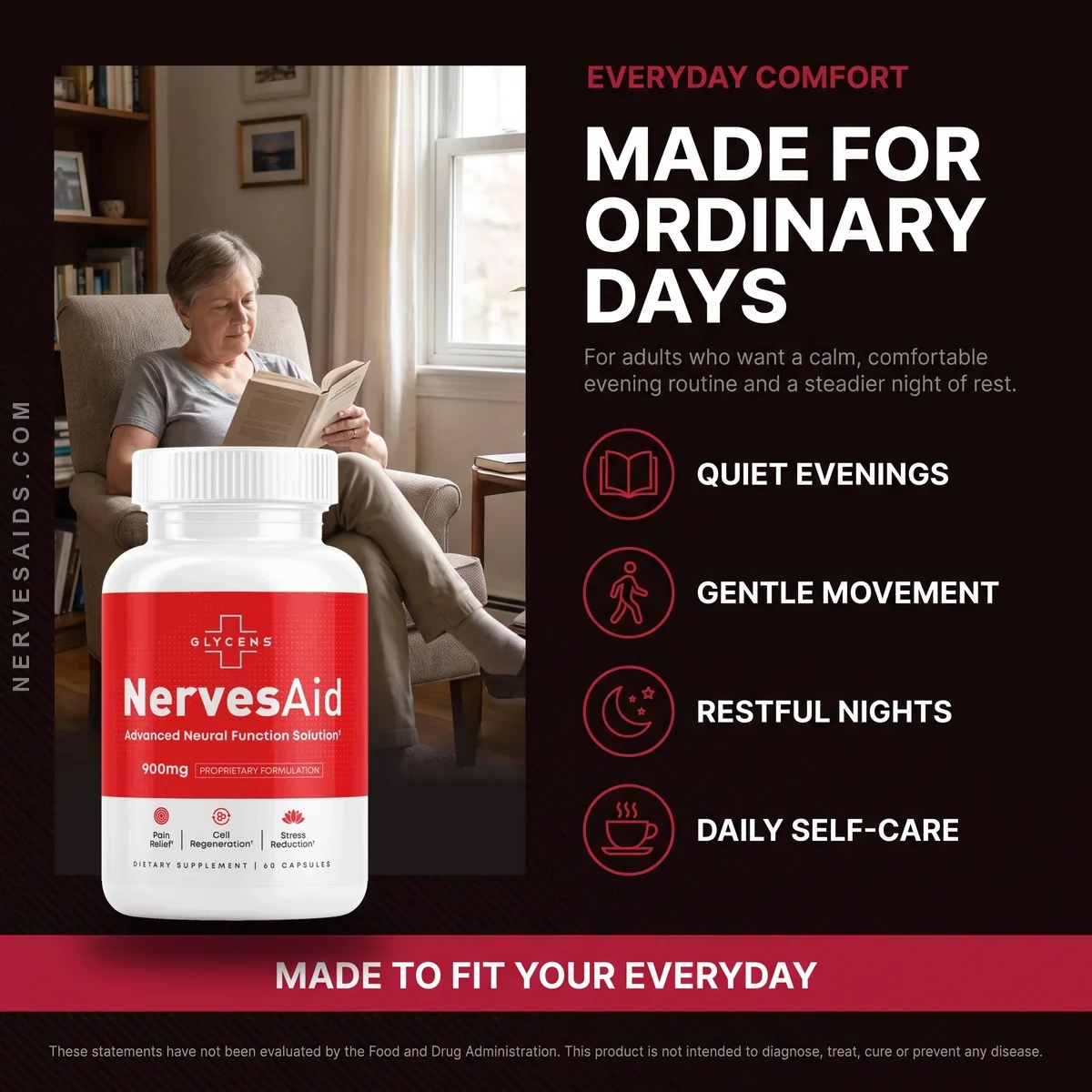
Acetyl-L-carnitine for nerve health sits at the crossroads of two ideas people care about most in the supplement aisle: energy and healthy nerves. Nerve cells run electrical signals every second of the day and maintain fibres that can stretch a metre or more, which makes them some of the hungriest cells in the body. Acetyl-L-carnitine (often shortened to ALCAR) is a compound the body uses to keep that energy machinery fed. This guide explains exactly how acetyl-L-carnitine works, why the acetyl form is the one linked to nerves and the brain, how much people typically take, and the specific things to check on a label before you buy.
Acetyl-L-carnitine is the acetylated form of L-carnitine, a small molecule your body builds from the amino acids lysine and methionine, with help from vitamin C, B6 and iron. L-carnitine is not classed as an essential vitamin because a healthy body manufactures it, mostly in the liver and kidneys, and stores the bulk of it in muscle. Its most important day job is metabolic: it acts as a ferry that carries long-chain fatty acids across the membranes of the mitochondria — the tiny power plants inside every cell — so those fats can be burned for energy.
The acetyl version adds a single acetyl group to that base molecule, and this small change matters more than it looks. The acetyl form is more readily transported into nerve and brain tissue, and the acetyl group itself is a chemical building block the body can borrow. That is why, when the conversation turns to nerves, focus and mental clarity, it is almost always acetyl-L-carnitine that comes up rather than plain L-carnitine, which tends to be discussed around exercise and general energy.
The nerve story comes down to three overlapping roles: energy, a neurotransmitter building block, and antioxidant support at the mitochondrial membrane. Take energy first. Nerve cells cannot store much fuel, so they depend on a constant, reliable supply of ATP — the cell's energy currency. By shuttling fatty acids into the mitochondria for burning, carnitine keeps that supply line open. When energy production runs smoothly, the demanding work of maintaining long nerve fibres and firing signals is easier to sustain, which is the mechanistic reason ALCAR is discussed so often alongside normal nerve function. Di Stefano and colleagues gathered the human trials behind that reasoning in a systematic review of acetyl-L-carnitine in painful peripheral neuropathy for Journal of Pain Research in 2019 (PubMed 31118753).
The second role is the acetyl group. Acetylcholine is one of the body's key neurotransmitters, involved in muscle control, memory and the calm branch of the nervous system. Making acetylcholine requires an acetyl building block, and acetyl-L-carnitine can donate exactly that. This is a genuine point of difference from ordinary L-carnitine and part of why the acetyl form is the one tied to nerves and cognition.
The third role is protective. Mitochondria are also a major source of oxidative stress — the everyday build-up of reactive molecules that can wear on cell components over time. Acetyl-L-carnitine is thought to support the health and membrane integrity of the mitochondria themselves, which pairs naturally with dedicated antioxidants. You can see the same logic in our guide to alpha-lipoic acid for nerve health, where a mitochondrial antioxidant and a mitochondrial energy nutrient are often mentioned in the same breath.
It is worth being clear and honest here: supporting normal nerve function through energy and antioxidant pathways is a general, structural idea — not a claim that acetyl-L-carnitine treats or cures any condition. The sensible framing is about supporting the body's own systems, not overriding them.
This is the single most useful thing to understand before you shop, because two products can both say “carnitine” and behave quite differently. The difference is not marketing; it is chemistry and where the molecule ends up going. The nerve-tissue argument for the acetyl form is drawn largely from animal work, summarised in a 2023 Neurochemical Research systematic review of ALCAR and peripheral nerve regeneration in animal models (PubMed 37037995) — animal findings, and worth reading as such.
| Form | What it is | Typically chosen for |
|---|---|---|
| Acetyl-L-carnitine (ALCAR) | L-carnitine with an added acetyl group | Nerve, brain and focus goals; crosses into nerve tissue readily |
| L-carnitine (base) | The plain shuttle molecule | General energy and exercise support |
| L-carnitine L-tartrate | A stable salt of L-carnitine | Sports and recovery formulas |
The practical takeaway: if your interest is nerves, focus or mental clarity, the acetyl form is the one to look for on the label. If a product simply says “carnitine” without specifying, that ambiguity is itself a clue about how carefully the formula was designed. For a broader framework you can apply to any product, see our walkthrough on how to read a nerve supplement label.
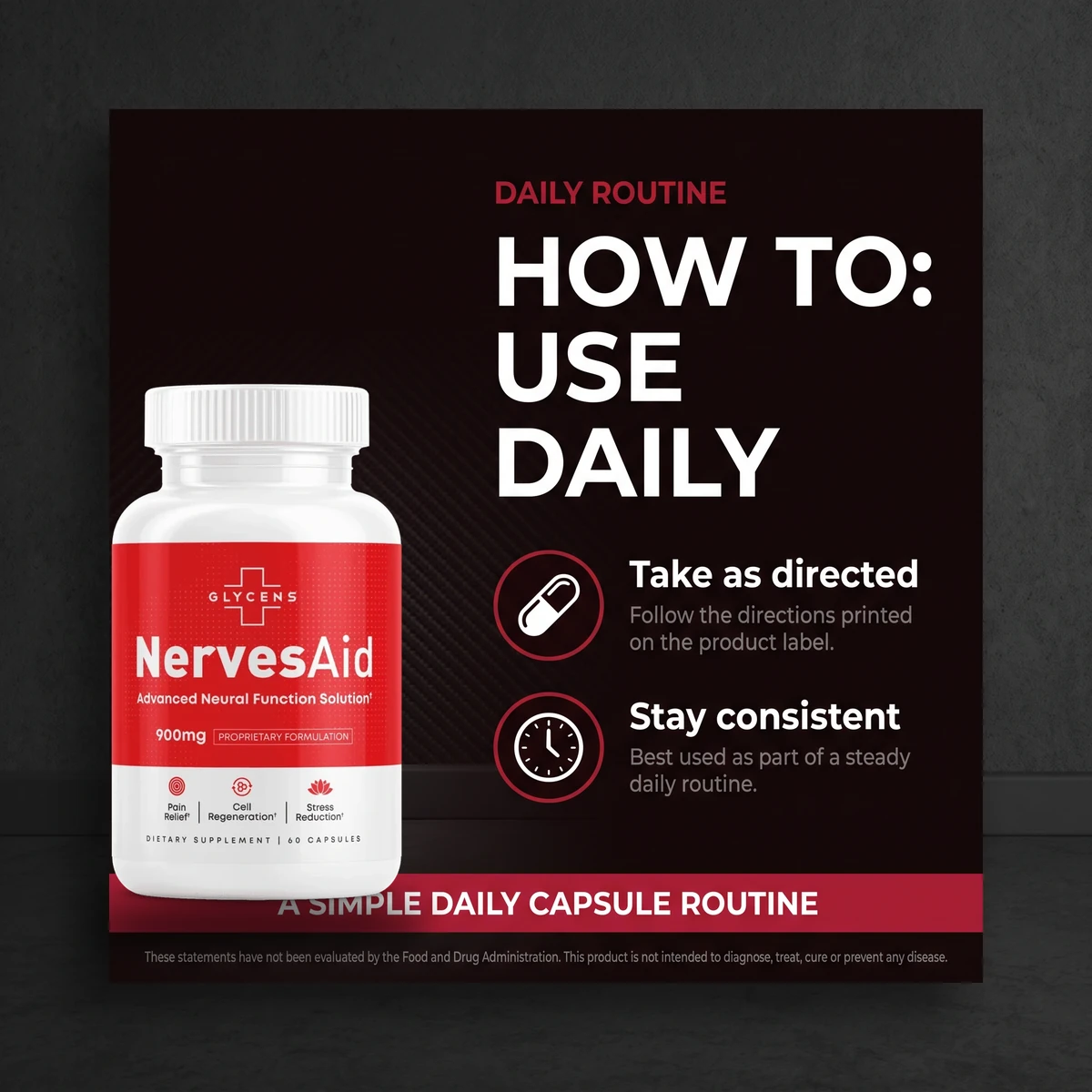
Nerve support is rarely about a single hero ingredient. Just as acetyl-L-carnitine keeps the energy line open, other nutrients cover neurotransmitters, myelin and antioxidant defence — which is why many people think of an energy nutrient like ALCAR and a calming botanical routine as complementary parts of one day rather than rivals. The NervesAid blend takes the botanical route, and an energy-and-antioxidant nutrient can sit comfortably alongside it.
NervesAid™ brings five plant-based botanicals into one easy, once-a-day capsule — a simple step to sit alongside a nutrient-smart diet, backed by a 60-day money-back guarantee.
See NervesAid Packages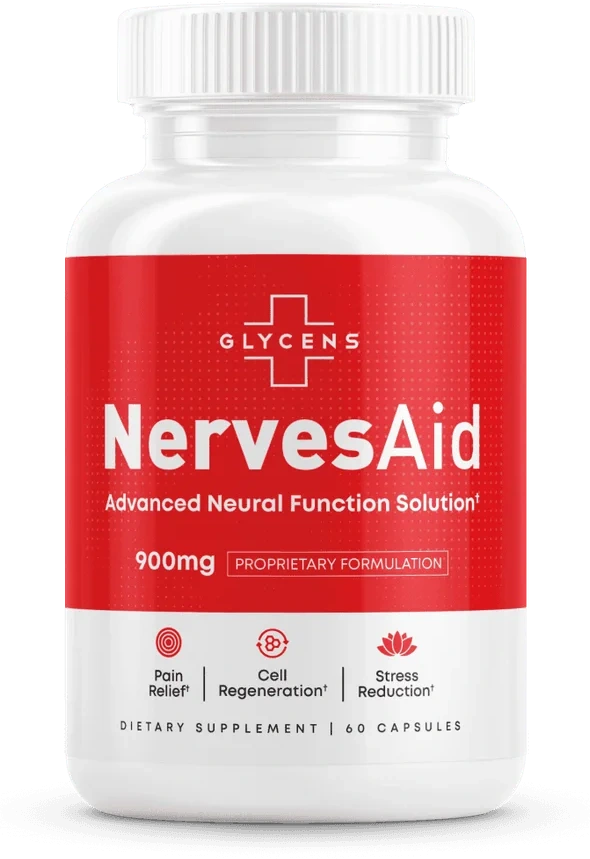
Because the body makes its own carnitine, there is no official daily requirement, so dosing is driven by product design and personal goals rather than a fixed number. Everyday supplements commonly provide amounts ranging from a few hundred milligrams up to about two grams per day, frequently split into a morning and midday dose. Higher amounts appear in some formulas, but more is not automatically better — the goal is steady, sensible support. The most reliable approach is to read the label, start conservatively, and talk with a physician about the right amount for you. The NIH Office of Dietary Supplements sets out how much carnitine the body makes and obtains from food in its carnitine fact sheet for health professionals.
Acetyl-L-carnitine can be taken with or between meals, and it is generally well absorbed. Because some people find it mildly energizing, taking it earlier in the day — morning, or morning and midday if split — is a common choice that avoids any late-evening restlessness. As for food, the plate delivers L-carnitine rather than the acetyl form: red meat is the richest source by far, with smaller amounts in fish, poultry and dairy, and very little in plant foods. That is why people following vegetarian or vegan patterns, who make more of their own but eat less, sometimes take a particular interest in supplementing. If you are comparing it against the other popular nerve-and-cognition ingredient, lion's mane for nerve health takes a completely different route — growth factors rather than mitochondrial fuel.
None of this replaces the basics. Energy and antioxidant support work best on a foundation of a varied diet, movement, blood-sugar-friendly meals and good sleep — the same everyday habits we lay out in our overview of how to support nerve health naturally. Think of acetyl-L-carnitine as one tool in that wider kit, not a shortcut around it. It also pairs conceptually with the energy-and-myelin roles covered in our guide to how B vitamins support nerve function.
For most healthy adults, acetyl-L-carnitine is well tolerated at everyday supplement amounts. The most commonly reported issues are mild and digestive, and a few people notice a “fishy” body odour at higher intakes. Because carnitine can theoretically interact with thyroid hormone activity and has been discussed in the context of seizure thresholds, anyone with a thyroid or seizure condition should be especially careful and speak with a physician first. As always, if you are pregnant, nursing, under 18, managing a health condition or taking any medication, get personalised medical advice before starting. Supplements support a healthy lifestyle; they do not replace medical care.
A routine only helps if you keep it going. The multi-bottle NervesAid™ packs keep your daily botanical step consistent — at the best per-bottle value, with free shipping on larger orders.
Order NervesAid Multi-Packs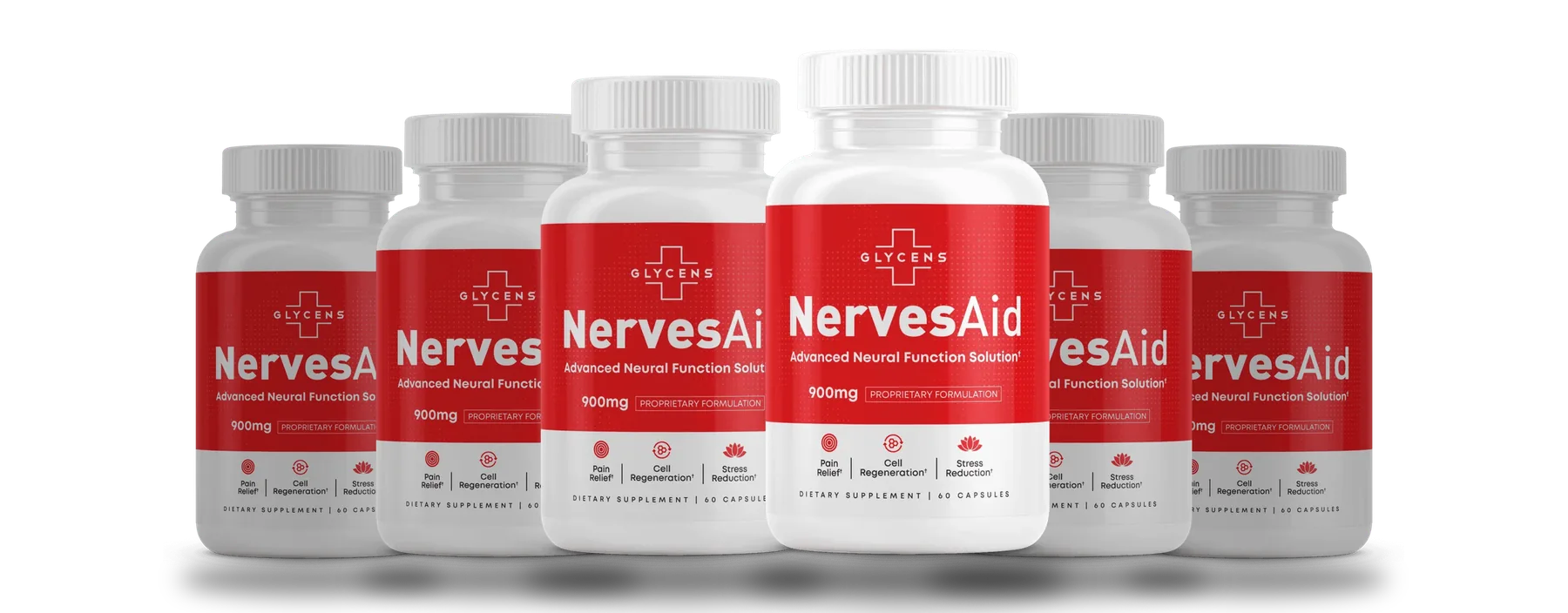
Acetyl-L-carnitine (ALCAR) is a form of the amino-acid derivative L-carnitine that the body uses to move fatty acids into the mitochondria, the part of a cell that makes energy. Because nerve cells are among the most energy-demanding cells in the body, steady mitochondrial energy is central to normal nerve function. The acetyl group also gives up a building block used to make the neurotransmitter acetylcholine, which is why the acetyl form in particular is discussed in the context of nerves and the brain.
They are close relatives. Plain L-carnitine is the base molecule that shuttles fat into the mitochondria and is often used around exercise. Acetyl-L-carnitine has an added acetyl group that makes it easier to cross into nerve and brain tissue and provides an acetyl building block the body can use. For nerve-focused goals, the acetyl form is the one usually chosen; check the label to see which you are buying.
Everyday supplements commonly provide amounts in the range of a few hundred milligrams to about two grams per day, often split into two doses. There is no official requirement because the body makes its own carnitine. The right amount depends on your goals and tolerance, so read the label and talk with a physician before starting, especially if you take medication or have a thyroid or seizure condition.
ALCAR can be taken with or between meals. Some people find it mildly energizing, so they take it earlier in the day rather than late at night. If a dose is split, morning and midday are common. Follow the directions on the label and adjust to your own tolerance.
Food provides L-carnitine rather than the acetyl form, mainly from red meat and, in smaller amounts, dairy, fish and poultry. Plant foods contain very little, so people following vegetarian or vegan diets tend to get less from the plate. Those who want a measurable, consistent acetyl-L-carnitine intake usually turn to a supplement.
† These statements have not been evaluated by the Food and Drug Administration. This product is not intended to diagnose, treat, cure or prevent any disease. This article is for general information only and is not medical advice.