
| What it is | Hericium erinaceus — an edible medicinal mushroom with shaggy white spines. |
| Key compounds | Hericenones (fruiting body) and erinacines (mycelium), studied for NGF pathways. |
| Why nerves | Linked in research to nerve growth factor (NGF), a protein that helps maintain nerve cells. |
| Label tip | Check the part used (fruiting body vs mycelium) and any beta-glucan figure. |
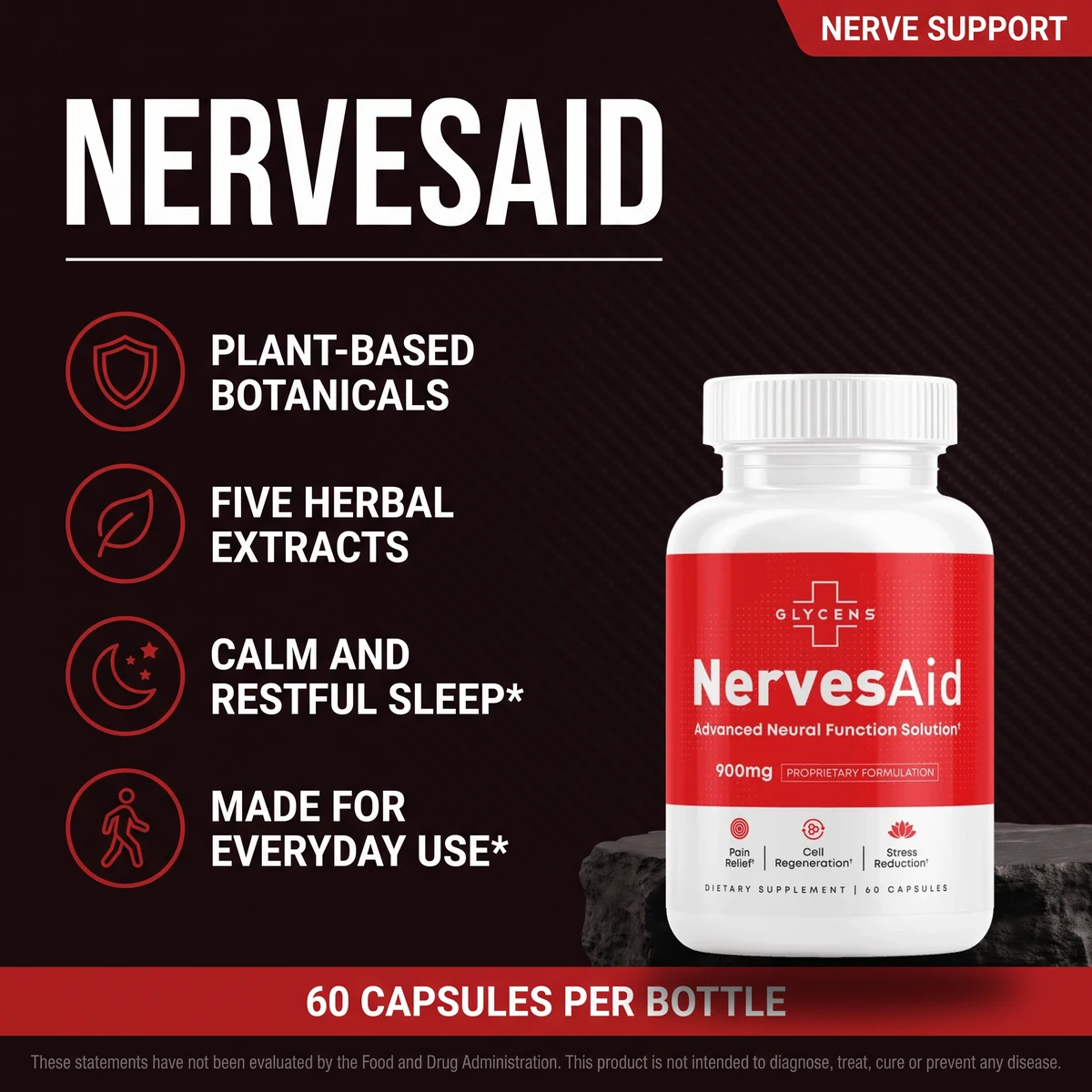
Lion's mane for nerve health has become one of the most talked-about topics in the whole nootropic and nerve-support world — and unlike a lot of internet buzz, there is a real, nameable mechanism behind it. This shaggy white mushroom, known botanically as Hericium erinaceus, contains compounds studied for their relationship with nerve growth factor (NGF). This guide explains what lion's mane is, how the NGF science actually works, the difference between hericenones and erinacines, how much people take, and the label details that separate a quality extract from a weak one.
Lion's mane is an edible mushroom that grows on hardwood trees and gets its name from its unmistakable appearance: instead of a cap and stem, it forms a cascading bundle of soft white spines that really do look like a lion's mane. It has a long history in East Asian cooking — where its texture is often compared to crab or lobster — and an equally long history in traditional wellness. In the last decade it has jumped from speciality menus to supplement shelves, where it is sold as capsules, powders and extracts.
As a supplement, lion's mane is made from one of three sources: the fruiting body (the mushroom you would recognise), the mycelium (the root-like network the mushroom grows from, usually cultivated on grain), or a blend of the two. That distinction is not trivia — it changes which active compounds you get, as we will see below, and it is the first thing to check on a label.
The reason lion's mane keeps coming up in nerve conversations is a protein called nerve growth factor, or NGF. NGF belongs to a family of proteins called neurotrophins, and the body uses them to help maintain, protect and support the survival of nerve cells. If nerve cells are the wiring of the nervous system, neurotrophins like NGF are part of the maintenance crew that keeps that wiring in good repair. The NGF claim traces to laboratory work such as Mori and colleagues’ report of nerve growth factor-inducing activity of Hericium erinaceus in human astrocytoma cells, Biological & Pharmaceutical Bulletin, 2008 (PubMed 18758067) — cell-culture evidence, not a human outcome.
Lion's mane contains compounds — hericenones and erinacines — that are studied specifically for their interaction with NGF pathways. In laboratory and early research settings, these compounds have been of interest for their apparent ability to support NGF-related activity. That is the mechanistic thread behind lion's mane's reputation as a neurotrophic, or nerve-supporting, botanical.
It is important to be honest about the state of the evidence, and we will be. Much of the research is still early — laboratory studies, animal work and smaller human trials — and it does not establish lion's mane as a treatment for any condition. The compliant, accurate way to think about it is as a supportive botanical with an interesting and specific mechanism, not a cure. That measured framing matters just as much here as it does for the nutrients in our guide to how B vitamins support nerve function, which also work by supporting the nervous system's own machinery.
Here is the practical heart of the matter. Lion's mane's two headline compound families are not distributed evenly across the mushroom: Szućko-Kociuba and colleagues review where each compound class comes from and what has actually been tested in “Neurotrophic and Neuroprotective Effects of Hericium erinaceus,” International Journal of Molecular Sciences, 2023 (PubMed 37958943).
| Compound | Found mainly in | Notes |
|---|---|---|
| Hericenones | Fruiting body | Studied for NGF-related activity; alongside beta-glucans |
| Erinacines | Mycelium | Studied for NGF pathways; may cross into nerve tissue |
This is why the fruiting-body-versus-mycelium question is more than marketing. Fruiting-body extracts are prized for hericenones and for immune-supporting beta-glucans, and they are closest to the mushroom you would eat. Mycelium products are richer in erinacines but, because the mycelium is often grown on grain, they can carry leftover growing substrate (starch) that dilutes the active content unless the maker is careful. Neither is automatically better — but a transparent label that names the part and states a beta-glucan content tells you far more than a big front-of-bottle number.
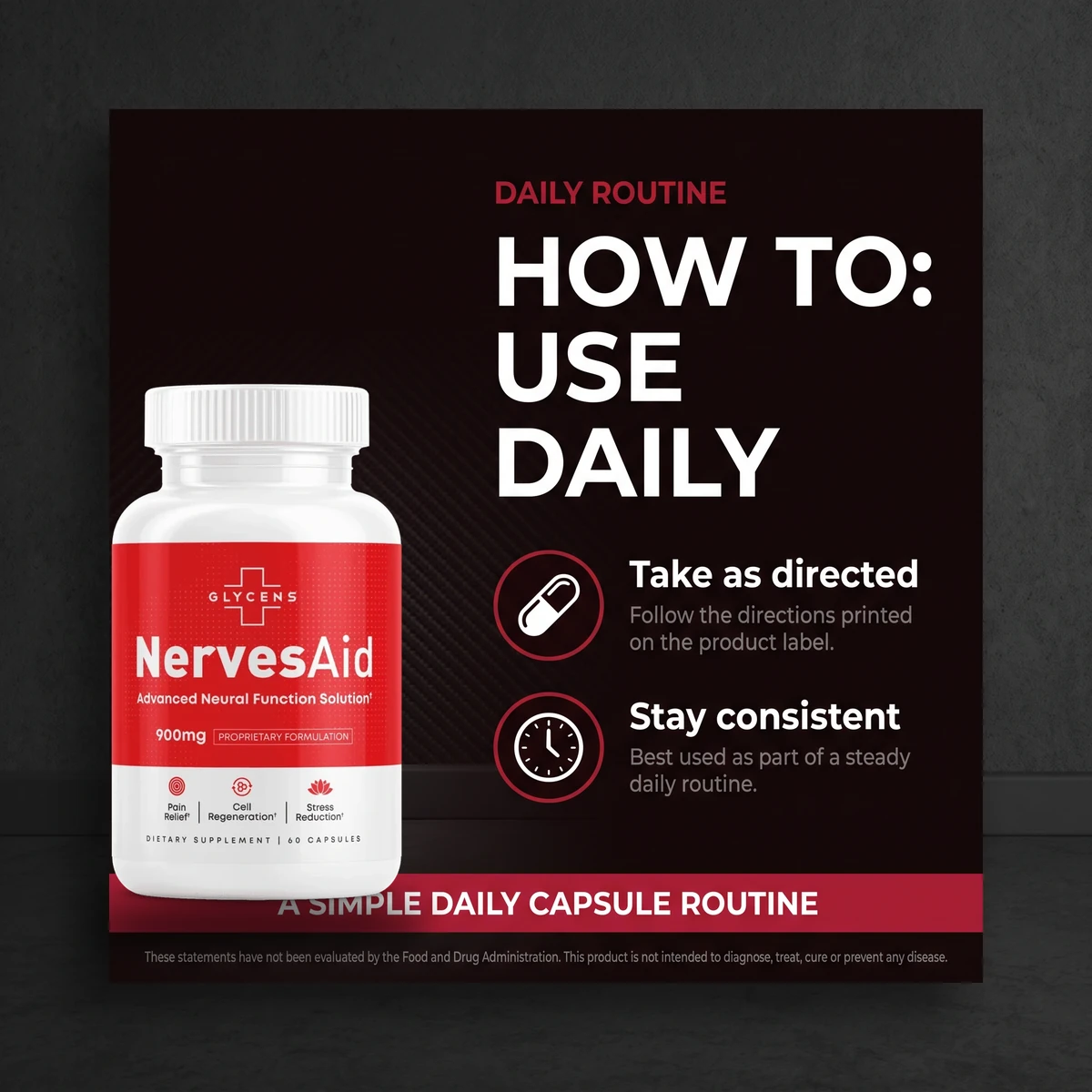
Whether your nerve routine leans on mushrooms, botanicals or both, the winning habit is the same: a simple, once-a-day step you will actually keep. That is the design idea behind the NervesAid blend, and the everyday-habits picture is covered in our guide to how to support nerve health naturally.
NervesAid™ brings five plant-based botanicals into one easy, once-a-day capsule — a simple base to build your routine around, backed by a 60-day money-back guarantee.
See NervesAid Packages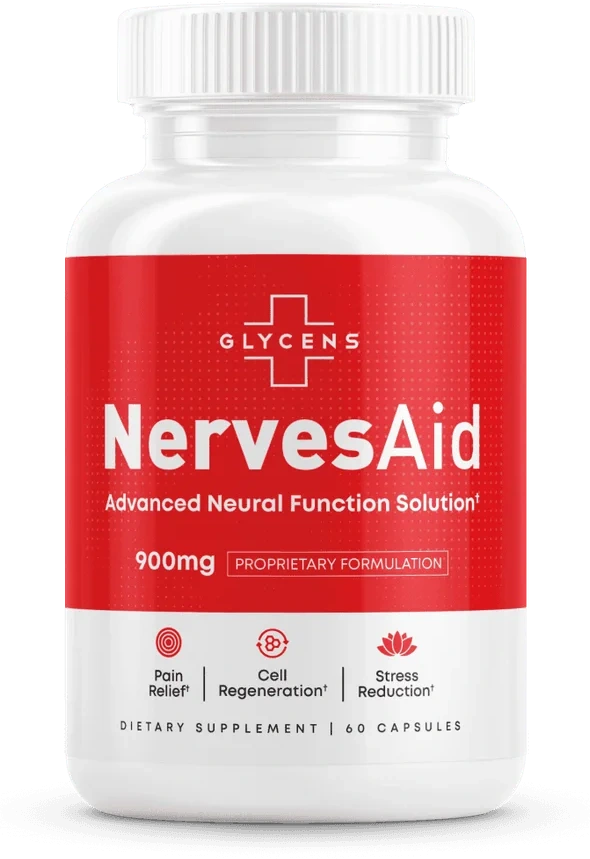
Because lion's mane products vary so much in concentration, there is no single “correct” dose — the number on one bottle is not comparable to the number on another unless you know the extract strength. In practice, everyday supplements commonly provide anywhere from several hundred milligrams to a few grams of extract per day, frequently split into two servings. Higher is not automatically better; consistency over weeks tends to matter more than a large one-off amount with any botanical studied for gradual, supportive effects.
The “polysaccharide vs beta-glucan” trap on mushroom labels is a classic example of a number that looks impressive but can be padded with starch. For more of these label-reading gotchas across nerve products, see how to read a nerve supplement label.
Lion's mane is an edible mushroom with a long food history, and it is generally well tolerated. The most commonly reported issues are mild digestive changes, and people with mushroom allergies should obviously avoid it. Because it is studied for effects on nerve and immune activity, anyone who is pregnant, nursing, under 18, taking medication (particularly anything affecting blood sugar or clotting) or managing a health condition should speak with a physician before starting. This article is general education about a traditional-use botanical and is not medical advice; lion's mane is intended to support a healthy lifestyle, not to treat anything. Contato and colleagues summarise the tolerability and the remaining evidence gaps in a 2025 narrative review in Nutrients (PubMed 40284172).
Supportive botanicals reward consistency. The multi-bottle NervesAid™ packs keep your daily step stocked — at the best per-bottle value, with free shipping on larger orders.
Order NervesAid Multi-Packs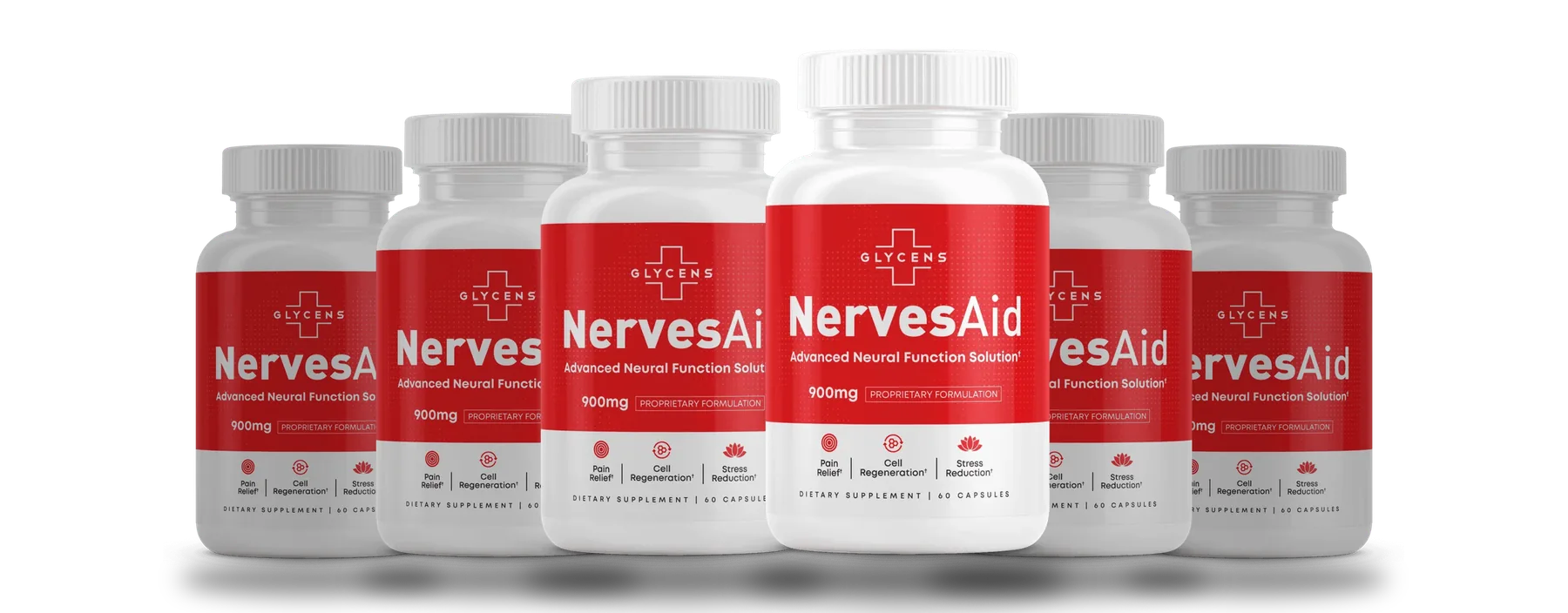
Lion's mane (Hericium erinaceus) is an edible medicinal mushroom named for its shaggy, white, cascading spines. It has been used in East Asian food and traditional wellness for centuries and is now popular as a supplement, usually made from the fruiting body, the mycelium, or a combination of the two.
Lion's mane contains compounds called hericenones and erinacines that are studied for their relationship with nerve growth factor, or NGF, a protein the body uses to help maintain nerve cells. This is why lion's mane is often discussed in the context of neurotrophic support. Research is ongoing and much of it is early, so it is best understood as a supportive botanical rather than a treatment.
They are the two families of active compounds most associated with lion's mane. Hericenones are found mainly in the fruiting body of the mushroom, while erinacines are concentrated in the mycelium. Both are studied for their interaction with nerve growth factor pathways, which is the basis of lion's mane's reputation for nerve support.
Everyday supplements commonly provide amounts ranging from several hundred milligrams to a few grams of extract per day, often split into two servings. The right amount depends on the extract concentration and your goals, so read the label and talk with a physician before starting, especially if you take medication.
Both are legitimate, but they differ. Fruiting-body extracts are prized for hericenones and beta-glucans, while mycelium products, often grown on grain, are richer in erinacines but can contain leftover growing substrate. A good label states which part is used and, ideally, a beta-glucan content so you know what you are paying for.
† These statements have not been evaluated by the Food and Drug Administration. This product is not intended to diagnose, treat, cure or prevent any disease. This article is for general information only and is not medical advice.