
| What it is | A naturally made antioxidant that helps cells turn food into energy and mops up free radicals. |
| Why nerves | It is both water- and fat-soluble, so it reaches nerve tissue, and it recycles vitamins C, E and glutathione. |
| Forms | R-lipoic acid is the natural form; cheaper products are an R/S blend — check the label. |
| Timing | Often taken on an empty stomach for better absorption; adjust to tolerance. |
Alpha-lipoic acid for nerve health is one of the most searched ingredient questions in the entire supplement aisle — and for good reason. Unlike most antioxidants, which work in only the watery or only the fatty parts of a cell, alpha-lipoic acid (ALA) does both, which lets it reach the nerve tissue that other antioxidants cannot. This guide explains exactly how alpha-lipoic acid works, why it matters for nerves, the important difference between the R and S forms, how much people typically take, and the specific things to check on a label before you buy.
Alpha-lipoic acid, sometimes written as ALA or thioctic acid, is a compound your body makes in small amounts inside the mitochondria — the tiny power plants inside your cells. Its day job is metabolic: it acts as a cofactor for enzymes that help convert carbohydrates, fats and proteins into usable energy. Without it, the machinery that keeps cells — including energy-hungry nerve cells — running smoothly would grind. Because the body produces its own supply and food contributes only trace amounts, there is no official dietary requirement for it, which is part of why it is so widely studied as a supplement rather than as a classic vitamin. Salehi and colleagues survey its chemistry and therapeutic uses in “Insights on the Use of α-Lipoic Acid for Therapeutic Purposes” in Biomolecules, 2019 (PubMed 31405030).
What sets alpha-lipoic acid apart from other antioxidants is its chemistry. It is amphipathic, a technical way of saying it dissolves in both water and fat. Vitamin C works mainly in watery environments; vitamin E works mainly in fatty ones. Alpha-lipoic acid moves freely between the two, which means it can act inside cells, in cell membranes, and in the fluid around them. For a tissue like a nerve, which is wrapped in a fatty sheath and bathed in fluid, that dual solubility is genuinely useful.
The nerve connection comes down to two overlapping roles: energy and antioxidant defence. Nerve cells are among the most energy-demanding cells in the body, firing electrical signals thousands of times and maintaining long, delicate fibres. That constant activity generates oxidative stress — a build-up of reactive molecules that can damage cell components over time. Antioxidants help keep that process in balance, and alpha-lipoic acid is unusually good at it. The clinical evidence base here sits almost entirely in diabetic polyneuropathy: Hsieh and colleagues pooled the oral-treatment trials in a 2023 Nutrients meta-analysis and systematic review (PubMed 37630823), which is research on a diagnosed condition rather than on general nerve wellness. It is often shelved beside acetyl-L-carnitine for nerve health, the other mitochondrial ingredient people reach for, and the two are frequently confused despite doing quite different jobs.
Here is the part that earns it the nickname “universal antioxidant.” Alpha-lipoic acid does not just neutralise free radicals directly; it also helps regenerate other antioxidants after they have been used up. It can recycle vitamin C and vitamin E back to their active forms and support the body’s master antioxidant, glutathione. In other words, a little alpha-lipoic acid helps the whole antioxidant network keep working, rather than acting alone. This teamwork, combined with its metabolic role in energy production, is the mechanistic reason it appears so often in conversations about nerve comfort and healthy nerve function.
It is important to be clear and honest here: supporting normal nerve function through antioxidant and metabolic pathways is a general, structural idea — not a claim that alpha-lipoic acid treats or cures any condition. As with the nutrients we cover elsewhere, the sensible framing is about supporting the body’s own systems, not overriding them. You can see the same philosophy in our guide to how B vitamins support nerve function, where energy and myelin are the recurring themes.
This is the single most useful thing to understand before you shop, because it explains why two ALA products at very different prices can both say “alpha-lipoic acid 300 mg.” Alpha-lipoic acid exists as two mirror-image molecules, called R and S. Your body makes and recognises the R form; the S form is essentially a by-product created during chemical synthesis and is not something biology produces. Keith and colleagues measured the difference directly, reporting age- and gender-dependent bioavailability of R- and R,S-lipoic acid in Pharmacological Research, 2012 (PubMed 22609537).
| Form | What it is | Notes |
|---|---|---|
| R-lipoic acid | The natural form the body makes | Closest to what biology uses; pricier and less stable |
| S-lipoic acid | A manufacturing by-product | Not produced by the body; along for the ride in cheap blends |
| R/S blend | A 50/50 racemic mix | The most common and affordable; only half is the R form |
The practical takeaway: most inexpensive supplements are the 50/50 racemic blend, meaning a “300 mg” capsule delivers roughly 150 mg of the natural R form. Products that isolate R-lipoic acid are closer to what the body uses, but they tend to cost more and can be less shelf-stable, so they are sometimes stabilised as a sodium salt. Neither choice is wrong — the point is simply to know what you are actually getting so you can compare like with like instead of price alone. For a broader framework you can apply to any product, see our walkthrough on how to read a nerve supplement label.

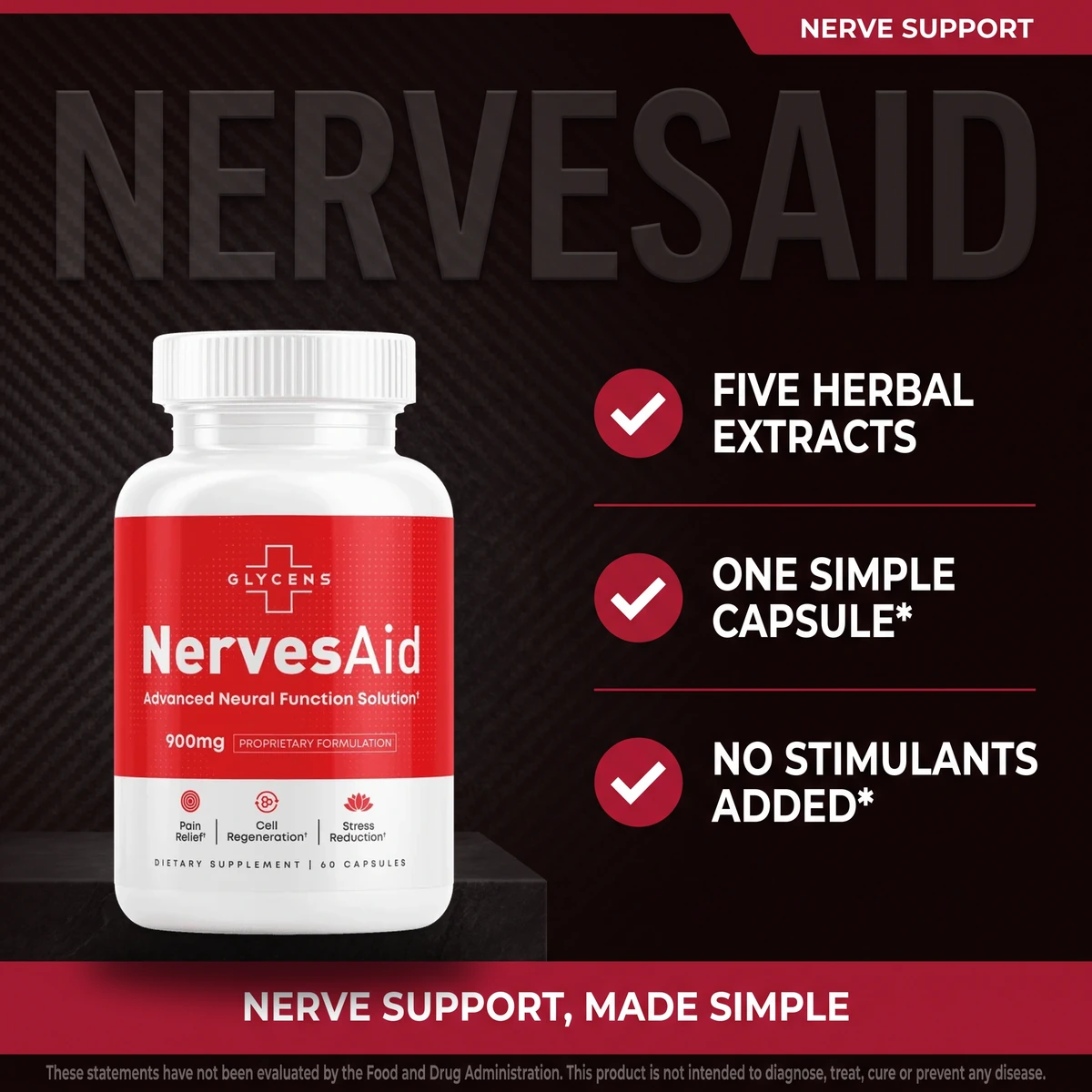
Antioxidant support in nerve health is rarely about one hero ingredient. Just as alpha-lipoic acid recycles vitamins C and E, plant-based antioxidants from foods and botanicals add their own layer. The NervesAid blend takes the botanical route with plants such as prickly pear, so many people think of a metabolic antioxidant like ALA and a calming plant blend as complementary parts of one routine rather than rivals.
NervesAid™ brings five plant-based botanicals into one easy, once-a-day capsule — a simple step to sit alongside a nutrient-smart diet, backed by a 60-day money-back guarantee.
See NervesAid Packages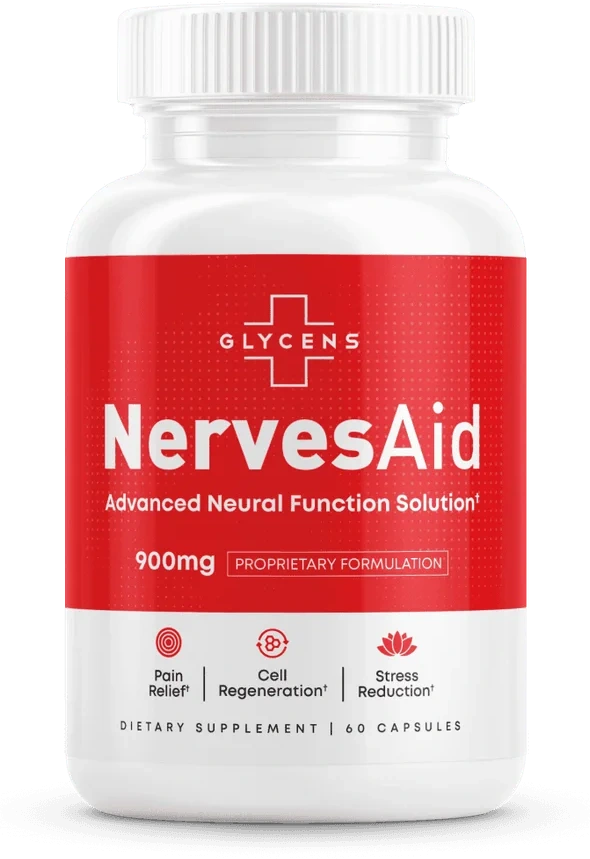
Because there is no established daily requirement, dosing is driven by product design and personal goals rather than a fixed number. Everyday supplements commonly provide amounts in the low hundreds of milligrams per day, often split or taken once daily. Higher amounts show up in some formulas, but more is not automatically better — and with any antioxidant, the goal is sensible support, not overload. The most reliable approach is to read the label, start conservatively, and talk with a physician about the right amount for you.
Alpha-lipoic acid is often taken on an empty stomach — roughly 30 minutes before a meal — because food can lower how much is absorbed. If that leaves your stomach unsettled, a small snack usually helps and is a reasonable trade-off. As for food, do not expect to hit meaningful amounts from your plate: red meat, organ meats such as liver, and vegetables like spinach, broccoli and tomatoes contain only trace, protein-bound quantities. That scarcity in free form is exactly why supplements exist for people who want a measurable dose.
None of this replaces the basics. Antioxidant support works best on a foundation of a varied diet, movement and rest — the same everyday habits we lay out in our overview of how to support nerve health naturally. Think of alpha-lipoic acid as one tool in that wider kit, not a shortcut around it.
For most healthy adults, alpha-lipoic acid is well tolerated at everyday supplement amounts. The most commonly reported issues are mild and digestive. Because it can influence how the body handles blood sugar, anyone taking medication for blood sugar or thyroid conditions should be especially careful and speak with a physician first. As always, if you are pregnant, nursing, under 18, managing a health condition or taking any medication, get personalised medical advice before starting. Supplements support a healthy lifestyle; they do not replace medical care.
A routine only helps if you keep it going. The multi-bottle NervesAid™ packs keep your daily botanical step consistent — at the best per-bottle value, with free shipping on larger orders.
Order NervesAid Multi-Packs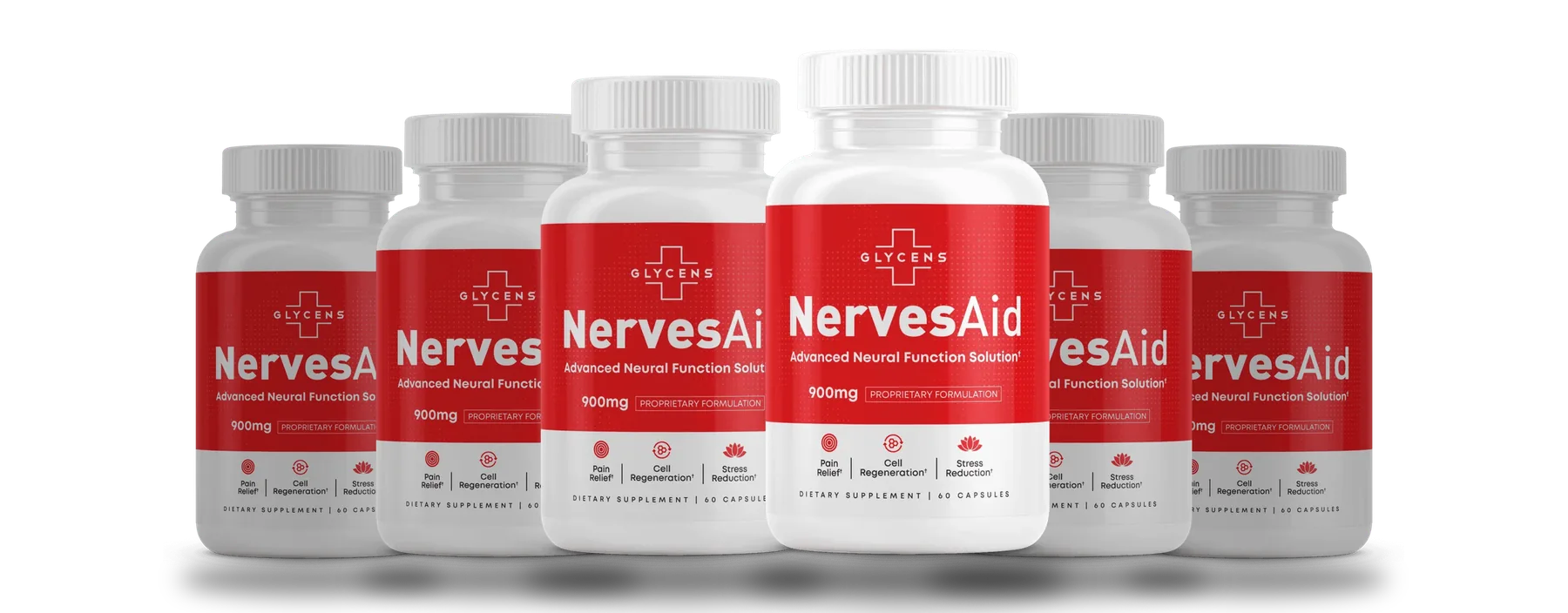
Alpha-lipoic acid is an antioxidant the body makes in small amounts and uses to help cells convert food into energy. It is unusual because it works in both the watery and fatty parts of cells, so it can reach nerve tissue that pure water- or fat-soluble antioxidants cannot. It also helps recycle other antioxidants such as vitamins C and E and glutathione, which is why it is sometimes called a universal antioxidant.
Alpha-lipoic acid comes in two mirror-image forms. R-lipoic acid is the natural form the body makes and recognises, while S-lipoic acid is a by-product of manufacturing. Most inexpensive supplements are a 50/50 blend of both. Some products isolate the R form, which is closer to what the body uses, but it is usually more expensive and less stable. Check the label to see which form you are buying.
Everyday supplements commonly provide amounts in the low hundreds of milligrams per day. There is no established requirement because the body makes its own, and food provides only trace amounts. The right amount depends on your goals and tolerance, so read the label and talk with a physician before starting, especially if you take medication.
Alpha-lipoic acid is often taken on an empty stomach because food can reduce how much is absorbed. That said, some people find it gentler on the stomach with a small snack. Follow the directions on the label and adjust to your own tolerance.
Only in trace amounts. Red meat, organ meats such as liver, and some vegetables including spinach, broccoli and tomatoes contain small quantities bound in proteins. Because food delivers so little in free form, people who want a meaningful amount usually turn to a supplement.
† These statements have not been evaluated by the Food and Drug Administration. This product is not intended to diagnose, treat, cure or prevent any disease. This article is for general information only and is not medical advice.