
| What it is | The main curcuminoid active in turmeric root — a bright-yellow plant antioxidant. |
| Why nerves | It mops up free radicals and supports the body's normal inflammatory response, which nerve tissue is sensitive to. |
| The catch | Plain curcumin is poorly absorbed — the whole game is bioavailability. |
| The fix | Piperine (black pepper) or a phospholipid/liposomal format raises absorption — check the label. |
Curcumin for nerve health is one of those topics where the science and the shopping advice are the same conversation. Curcumin is the golden compound that gives turmeric its colour, and it is one of the most studied plant antioxidants in the world. But it also has a famous weakness — it is very poorly absorbed on its own — which means the form you buy matters just as much as the milligrams on the label. This guide explains how curcumin works, why bioavailability is the whole story, the role of black pepper and modern delivery formats, how much people typically take, and exactly what to check before you buy.
Curcumin is the principal curcuminoid found in turmeric, the rhizome (underground stem) of the plant Curcuma longa, a member of the ginger family long used in South Asian cooking and traditional Ayurvedic practice. Here is the first thing many people get wrong: turmeric and curcumin are not the same. Turmeric is the whole spice, and curcumin is only a small fraction of it — typically just a few percent by weight. That distinction is central to everything that follows, because it explains why a spoon of turmeric in your curry delivers only a modest dose of the active compound, while a standardised extract concentrates it many times over. The NIH National Center for Complementary and Integrative Health summarises what the research does and does not show on its turmeric page.
What makes curcumin interesting is its chemistry. It is a polyphenol, a class of plant compounds known for antioxidant activity, and it is highly coloured — a clue to its ability to interact with reactive molecules. That antioxidant character is the foundation of its reputation.
The nerve connection rests on two related ideas: antioxidant defence and support for the body's normal inflammatory balance. Take antioxidant defence first. Nerve cells are extraordinarily active — firing signals and maintaining long fibres — and all that activity generates oxidative stress, a steady build-up of reactive molecules that can wear on cell components over time. Antioxidants help keep that process in check, and curcumin is a capable free-radical scavenger. It is also thought to support the body's own antioxidant defences rather than acting entirely alone.
The second idea is inflammation. In everyday health, the body's inflammatory response is a normal, useful process; the goal is balance, not elimination. Curcumin is studied for its role in supporting that normal, balanced response — a general, structural function rather than a treatment for any disease. Because nerve tissue is sensitive to both oxidative stress and prolonged inflammatory signalling, these two roles are the mechanistic reason curcumin appears so often in conversations about healthy nerves and everyday comfort.
It is worth stating plainly and honestly: this is general, structural support for the body's own systems — not a claim that curcumin treats, cures or prevents any condition. That framing is the same one we apply across our ingredient guides, including alpha-lipoic acid for nerve health, where antioxidant recycling is the recurring theme.
If you remember one thing about curcumin, make it this. On its own, curcumin is notoriously poorly absorbed. Three things work against it: it dissolves poorly in water, it is rapidly metabolised by the liver and intestinal wall, and what does get into the blood is cleared quickly. The result is that a plain curcumin capsule can deliver surprisingly little active compound to the bloodstream. This is not a reason to dismiss curcumin — it is the reason to read the label carefully, because the entire supplement industry around it exists to solve exactly this problem. Anand and colleagues laid out the absorption, distribution and metabolism problem in “Bioavailability of curcumin: problems and promises,” Molecular Pharmaceutics, 2007 (PubMed 17999464).
| Approach | How it helps absorption |
|---|---|
| Plain curcumin / turmeric powder | Baseline — low absorption, rapidly cleared |
| Curcumin + piperine | Black-pepper extract slows breakdown, sharply raising absorption |
| Phospholipid / liposomal | Wraps curcumin in fat-friendly carriers for better uptake |
| Nanoparticle / micelle | Shrinks particle size to boost solubility and absorption |
The most familiar fix is the humblest: piperine, the active compound in black pepper, slows the enzymes that break curcumin down, and studies have reported it can increase absorption dramatically when combined with curcumin. That is why so many labels list piperine or a branded black-pepper extract, and why traditional cooking pairs turmeric with a pinch of pepper. More advanced formulas use phospholipid, liposomal or nanoparticle delivery to raise absorption further. The practical lesson: a smaller dose of a well-absorbed form can outperform a larger dose of a basic one, so compare bioavailability, not just milligrams. For a broader framework, see our walkthrough on how to read a nerve supplement label.

Antioxidant support in nerve health is rarely about one hero ingredient. Just as curcumin scavenges free radicals, other plant antioxidants add their own layer — which is why blends combine several rather than betting on one. The NervesAid formula takes the botanical route with plants such as prickly pear, and you can read more about that antioxidant angle in our guide to prickly pear for nerve health. Many people think of a concentrated antioxidant like curcumin and a calming plant blend as complementary parts of one routine.
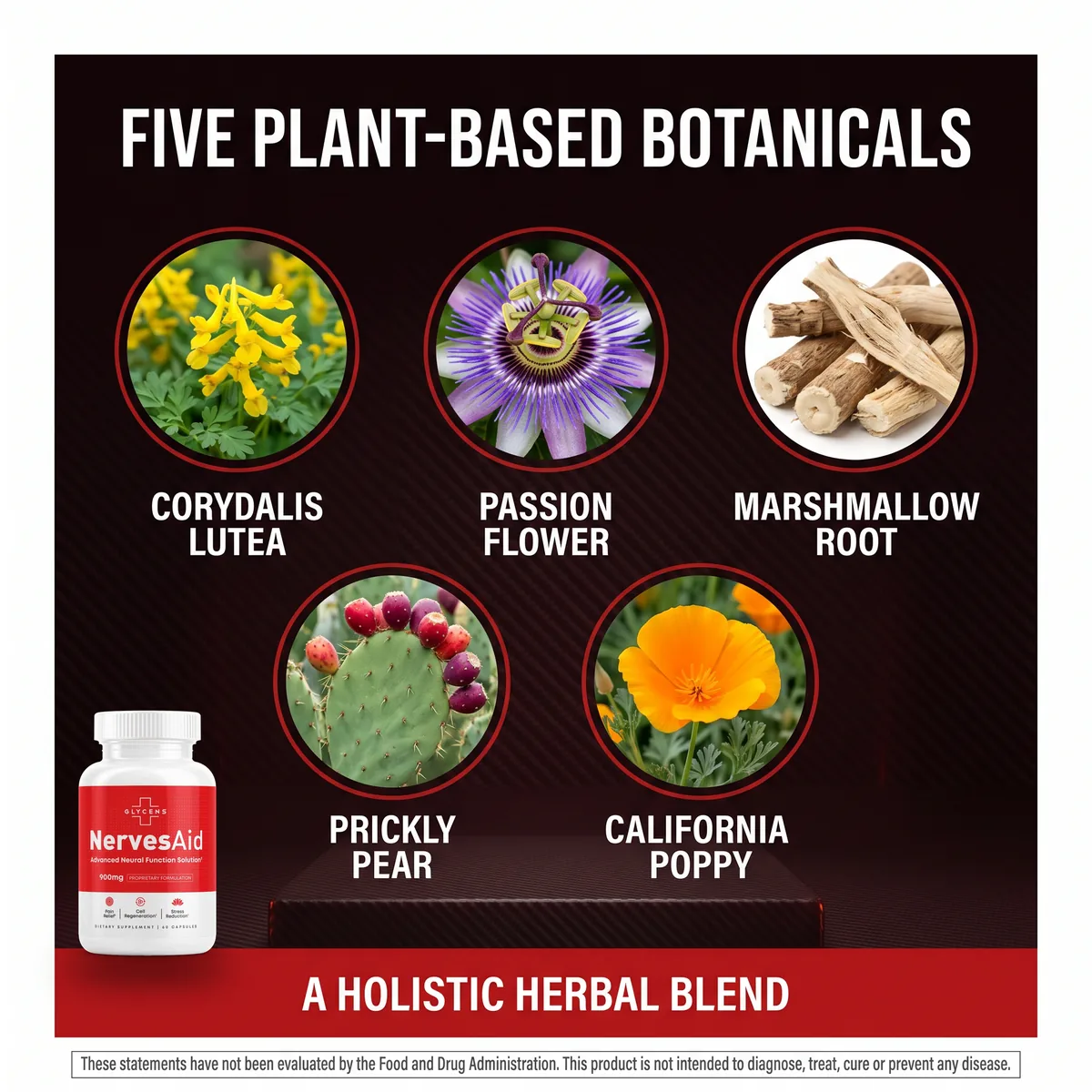
NervesAid™ brings five plant-based botanicals into one easy, once-a-day capsule — a simple step to sit alongside a nutrient-smart diet, backed by a 60-day money-back guarantee.
See NervesAid Packages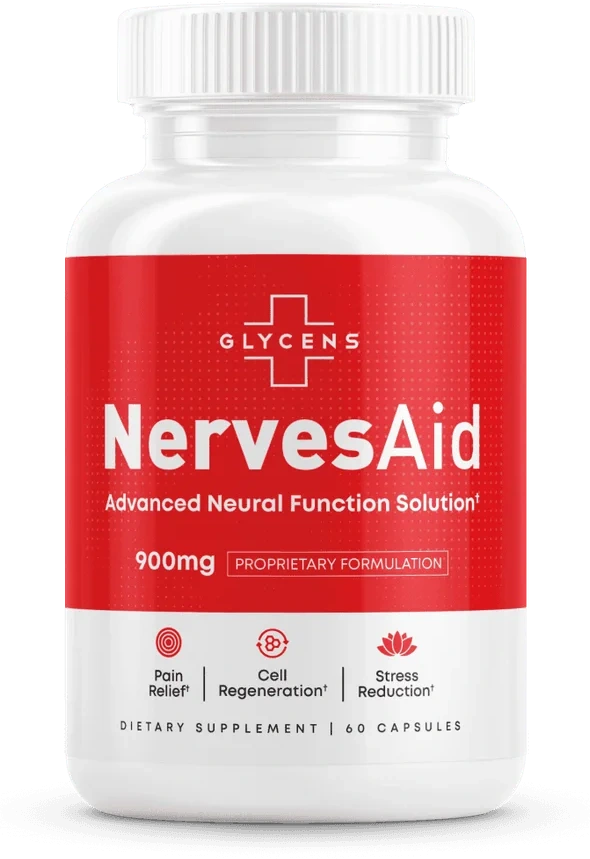
Because absorption varies so much between products, there is no single “correct” number — the dose only means something in the context of the form. Everyday supplements often provide a standardised turmeric extract (commonly 95% curcuminoids) delivering anywhere from several hundred milligrams to about a gram of curcuminoids per day, usually paired with an absorption enhancer. A highly bioavailable format may achieve the same blood levels at a lower dose. As with any antioxidant, more is not automatically better, and the sensible approach is to read the label, understand the form, and talk with a physician about what suits you.
Curcumin is fat-soluble, so taking it with a meal that contains some fat can support uptake, and the piperine or delivery system does the heavy lifting the rest of the time. In the kitchen, turmeric is a wonderful spice and a genuine source of curcumin, but remember the maths: because curcumin is only a few percent of the spice and poorly absorbed, culinary turmeric is best seen as a flavourful, everyday contribution rather than a substitute for a concentrated extract. The old trick of adding black pepper and cooking turmeric in oil is, it turns out, a small piece of folk bioavailability science. The piperine effect traces back to Shoba and colleagues, who reported the influence of piperine on curcumin pharmacokinetics in animals and human volunteers in Planta Medica, 1998 (PubMed 9619120). Taking it with a meal that contains fat is the practical version of the same advice we give for omega-3 fats and nerve health, for exactly the same reason.
None of this replaces the basics. Antioxidant support works best on a foundation of a varied, colourful diet, movement and rest — the same everyday habits we lay out in our overview of how to support nerve health naturally. Think of curcumin as one tool in that wider kit, not a shortcut around it.
For most healthy adults, curcumin is well tolerated, and it has a long history of dietary use as turmeric. At higher supplement doses, the most commonly reported issues are mild and digestive. A few cautions are worth knowing: curcumin may have a mild effect on blood clotting, so anyone taking blood-thinning medication should be careful; it can stimulate the gallbladder, so those with gallstones or bile-duct issues should be cautious; and very high-dose extracts warrant professional guidance. As always, if you are pregnant, nursing, under 18, managing a health condition or taking any medication, get personalised medical advice before starting. Supplements support a healthy lifestyle; they do not replace medical care.
A routine only helps if you keep it going. The multi-bottle NervesAid™ packs keep your daily botanical step consistent — at the best per-bottle value, with free shipping on larger orders.
Order NervesAid Multi-Packs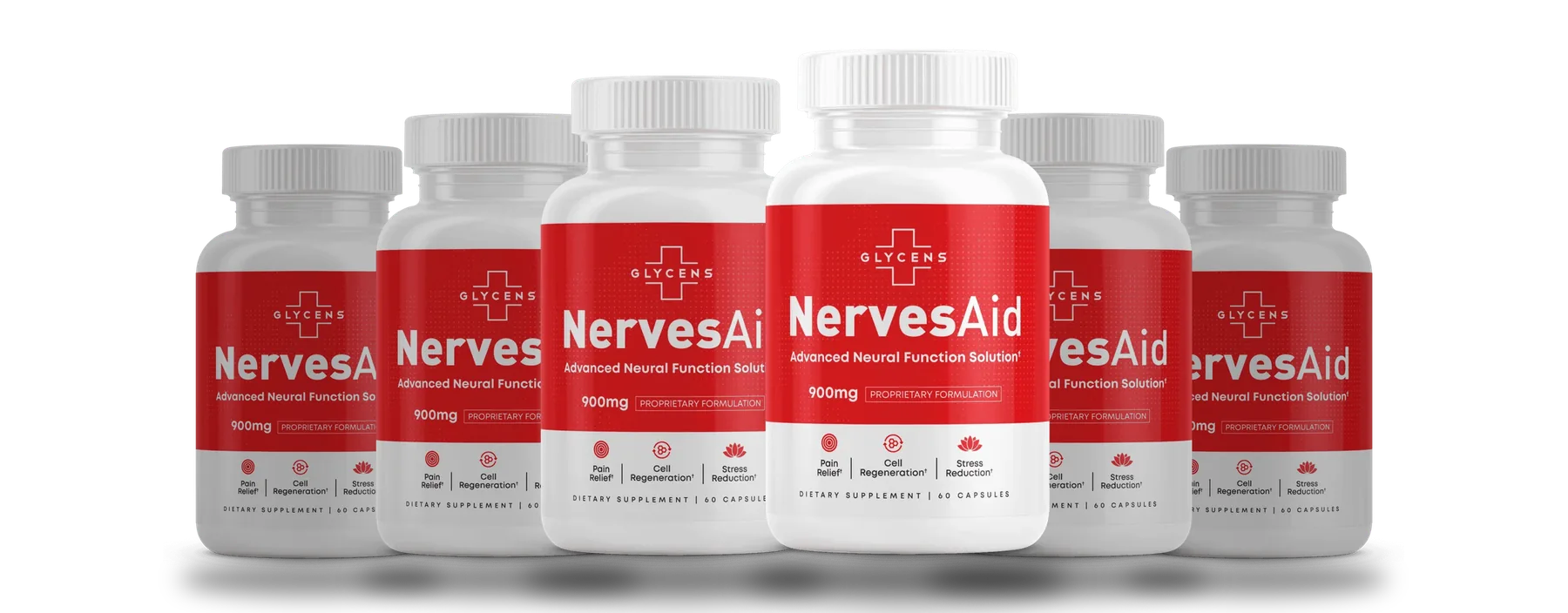
Curcumin is the main active compound in turmeric and works chiefly as an antioxidant that helps neutralise free radicals, and it is thought to support the body's normal, balanced inflammatory response. Nerve cells are especially sensitive to oxidative stress because of their high energy use, so antioxidant support is part of why curcumin is discussed in the context of healthy nerves. This describes general, structural support rather than any treatment claim.
On its own, curcumin is poorly absorbed, rapidly broken down in the liver and gut, and quickly cleared from the body, so very little reaches the bloodstream. This is why plain turmeric powder delivers only a small dose of active curcumin. Manufacturers address it by adding black-pepper extract (piperine) or by using special delivery formats such as phospholipid, liposomal or nanoparticle forms that raise absorption significantly.
Yes. Piperine, the active in black pepper, slows the breakdown of curcumin so more of it stays in circulation. Studies have reported that adding a small amount of piperine can increase curcumin absorption dramatically. This is why so many curcumin supplements list piperine or a branded black-pepper extract, and why a pinch of black pepper is traditionally added to turmeric in cooking.
Everyday supplements often provide a standardised turmeric extract delivering several hundred milligrams to about a gram of curcuminoids per day, usually with an absorption enhancer. The right amount depends on the specific formula and how well it is absorbed, so a lower dose of a highly bioavailable form can match a larger dose of a basic one. Read the label and talk with a physician before starting.
No. Turmeric is the whole golden spice, the root of the Curcuma longa plant. Curcumin is just one group of compounds within it, the curcuminoids, which make up only a small percentage of the spice by weight. A standardised curcumin extract concentrates those actives, whereas plain turmeric powder contains far less curcumin per serving.
† These statements have not been evaluated by the Food and Drug Administration. This product is not intended to diagnose, treat, cure or prevent any disease. This article is for general information only and is not medical advice.