
| Thiamine | Vitamin B1 in its natural, water-soluble form — a coenzyme for turning carbs into energy. |
| Benfotiamine | A synthetic, fat-soluble derivative of B1 that is absorbed more efficiently and converts to thiamine inside the body. |
| Why nerves | Nerve cells are energy-hungry; B1 supports the enzymes at the heart of glucose metabolism. |
| Which to choose | Everyday needs: thiamine. Higher absorption the priority: benfotiamine — check the label. |
Benfotiamine vs thiamine is one of the most practical questions in nerve nutrition, because both are simply forms of the same vitamin — vitamin B1 — and yet they behave very differently once you swallow them. Thiamine is the classic, water-soluble vitamin your body has used for millions of years. Benfotiamine is a lab-made, fat-soluble version designed to slip into the body far more efficiently. This guide explains how each form works, why absorption is the whole story, how much people typically take, and the specific things to check on a label so you can compare like with like instead of price alone.
Thiamine is one of the eight B vitamins and was, historically, the very first vitamin to be isolated — hence “B1.” It is water-soluble, which means the body does not store large reserves of it and flushes any excess in the urine. Its central job is metabolic. Inside cells, thiamine is converted into its active coenzyme form, thiamine pyrophosphate (TPP), which is required by several key enzymes that turn the carbohydrates you eat into usable energy. Two of those enzymes — pyruvate dehydrogenase and transketolase — sit at the heart of glucose metabolism, the fuel pathway nerve cells rely on most. Requirements, food sources and the consequences of a shortfall are set out in the NIH Office of Dietary Supplements thiamin fact sheet for health professionals.
Because that energy pathway matters so much to nerves, a genuine thiamine deficiency has long been known to affect the nervous system; the classic deficiency disease, beriberi, has a nerve-related form. In a well-fed population outright deficiency is uncommon, but the link between B1 and healthy nerves is one of the oldest and best established in all of nutrition. For the wider family, see our guide to how B vitamins support nerve function, which puts B1 in context alongside B6, B9 and B12.
Benfotiamine is a synthetic derivative of thiamine, part of a family sometimes called “allithiamines” that were first identified in garlic and onions. The crucial engineering change is that benfotiamine is fat-soluble (lipid-soluble) rather than water-soluble. That single property changes how it is absorbed: instead of relying on a saturable transport system in the gut — which limits how much ordinary thiamine you can absorb from a large dose — benfotiamine passes more freely across the intestinal wall. Once inside the body, it is converted into thiamine and then into the active TPP coenzyme, so ultimately it does the same job. It is best understood not as a different vitamin but as a highly absorbable delivery vehicle for vitamin B1. Sambon and colleagues review the thiamine precursors developed for better uptake, benfotiamine among them, in International Journal of Molecular Sciences, 2021 (PubMed 34063830).
This is the entire point of the comparison, so it is worth being precise. When you take a large dose of ordinary thiamine hydrochloride or mononitrate, the gut can only actively transport a limited amount at once; the rest is largely wasted. Benfotiamine sidesteps that ceiling because its fat-soluble structure is absorbed by passive diffusion, which is why gram-for-gram it tends to raise blood levels of thiamine substantially higher than water-soluble forms. Xie and colleagues measured it head to head in a pharmacokinetic study comparing benfotiamine with thiamine hydrochloride, published in the Journal of Clinical Pharmacology in 2014 (PubMed 24399744).
| Feature | Thiamine (B1) | Benfotiamine |
|---|---|---|
| Solubility | Water-soluble | Fat-soluble |
| Absorption | Active, saturable — capped at high doses | Passive diffusion — higher blood levels |
| Source | Natural; found in food | Synthetic; supplements only |
| Best for | Meeting everyday requirements | When higher absorption is the goal |
The practical takeaway: neither form is “better” in the abstract. For most people covering everyday needs, ordinary thiamine from a balanced diet and a standard multivitamin is entirely sufficient. Benfotiamine earns its place when higher, more reliable blood levels of B1 are the specific goal — which is exactly why you see it in dedicated nerve-support formulas rather than in a generic multivitamin. Knowing which you are buying, and at what dose, matters more than the price on the shelf. For a broader framework, see our walkthrough on how to read a nerve supplement label.
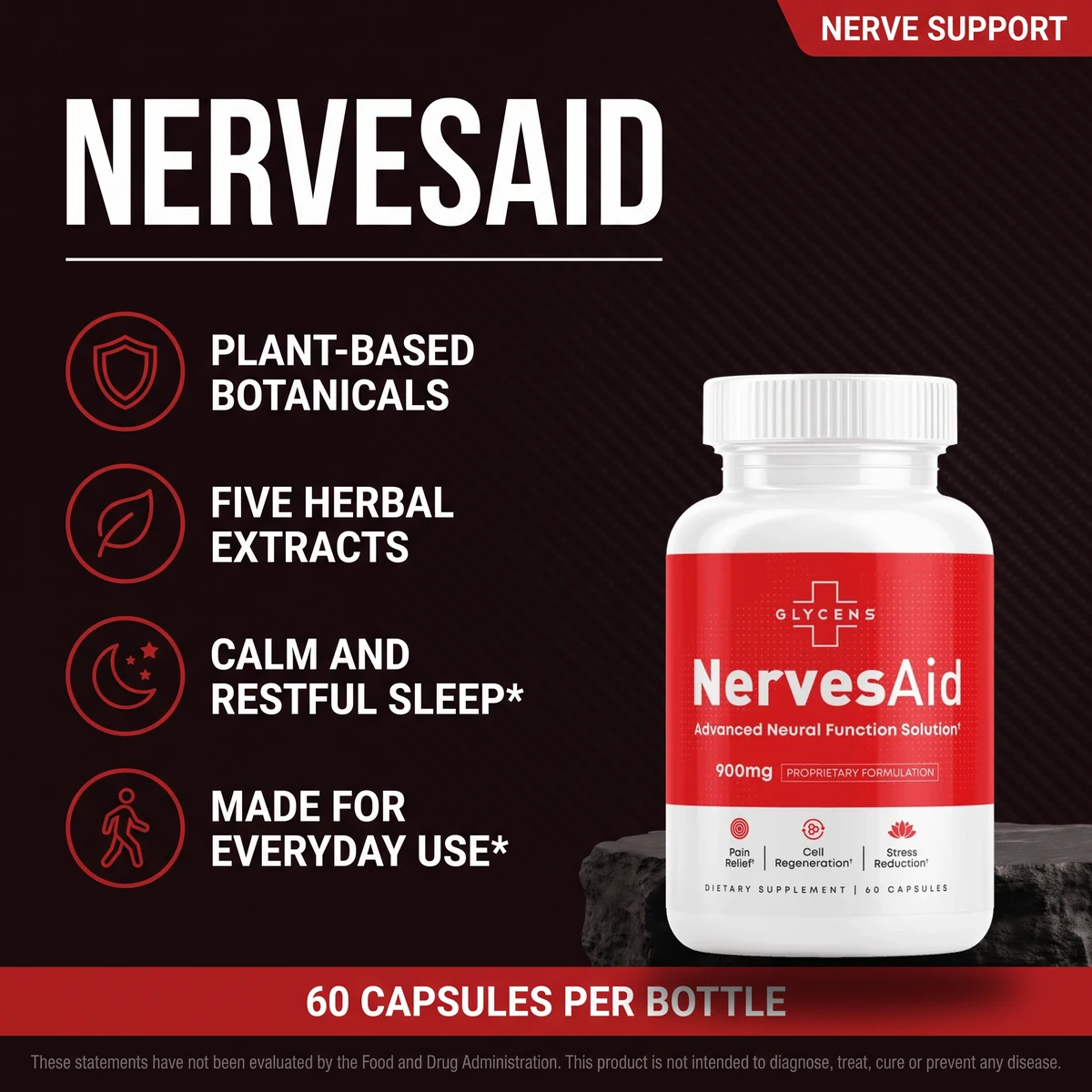
Nerve support is rarely about one nutrient working alone. B1 keeps the energy pathway fed, minerals help nerves signal cleanly, and calming botanicals cover the relaxation side. That is why many people treat a well-absorbed B vitamin and a plant-based routine as complementary parts of one plan. The NervesAid blend takes the botanical route, and a thoughtful B-vitamin choice can sit comfortably alongside it. Minerals matter too — see our guide to magnesium for nerves for the signalling side of the story.
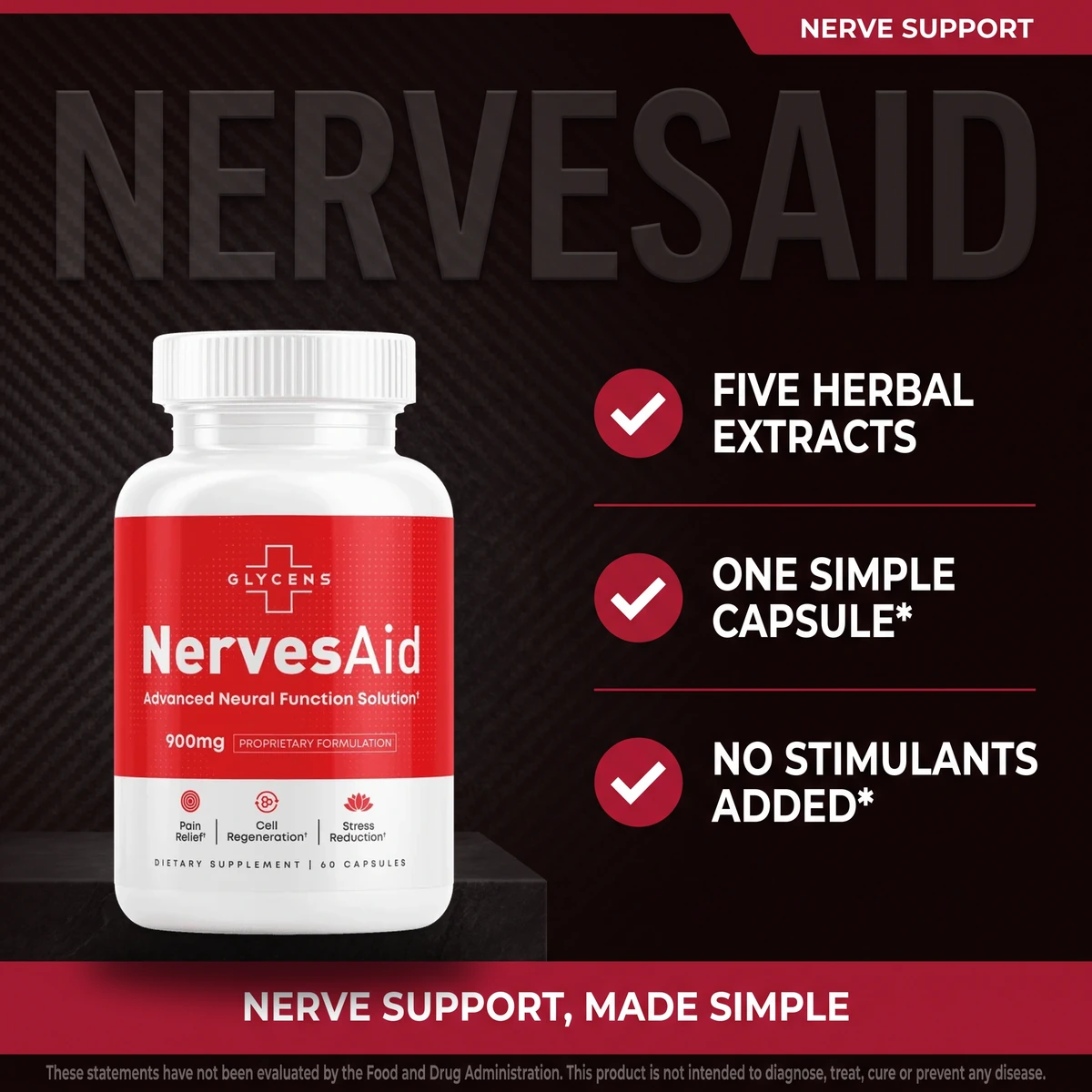
NervesAid™ brings five plant-based botanicals into one easy, once-a-day capsule — a simple step to sit alongside a nutrient-smart diet, backed by a 60-day money-back guarantee.
See NervesAid Packages
The daily requirement for thiamine itself is small — roughly 1.1 to 1.2 milligrams for adults — and a varied diet usually covers it easily. Supplement doses, however, are a different matter, because they are chosen for absorption and headroom rather than just to prevent deficiency. Benfotiamine supplements commonly provide amounts from around 150 mg to 300 mg per day, and some formulas go higher. Ordinary thiamine supplements range from a few milligrams in a multivitamin to much larger stand-alone doses. As always, more is not automatically better; the point is a sensible amount matched to your goal.
Because benfotiamine is fat-soluble, taking it with a meal that contains some fat can support absorption, though it is generally well tolerated either way. Ordinary thiamine is water-soluble and flexible about timing. On the food side, thiamine is widespread: whole grains, fortified cereals and breads, pork, legumes, nuts, seeds and yeast are all good sources, which is why frank deficiency is uncommon on a varied Western diet. Benfotiamine, being a manufactured molecule, is not present in food at all — it exists only as a supplement.
None of this replaces the basics. B-vitamin nutrition works best on a foundation of a varied diet, blood-sugar-friendly meals, movement and rest — the same everyday habits we lay out in our overview of how to support nerve health naturally. Think of your B1 choice as one considered tool in that wider kit, not a shortcut around it.
Both forms of vitamin B1 have a strong safety record. Because thiamine is water-soluble, the body simply excretes what it does not use, so toxicity from oral intake is very rare. Benfotiamine is also generally well tolerated, with only mild and infrequent digestive complaints reported. Even so, higher-than-typical doses of any supplement deserve a conversation with a professional. As always, if you are pregnant, nursing, under 18, managing a health condition or taking any medication, get personalised medical advice before starting. Supplements support a healthy lifestyle; they do not replace medical care.
A routine only helps if you keep it going. The multi-bottle NervesAid™ packs keep your daily botanical step consistent — at the best per-bottle value, with free shipping on larger orders.
Order NervesAid Multi-Packs
Thiamine, or vitamin B1, is a water-soluble vitamin. Benfotiamine is a synthetic, fat-soluble derivative of thiamine. Because it is fat-soluble, benfotiamine is absorbed differently and tends to reach higher levels in the blood than an equal dose of ordinary water-soluble thiamine. Once inside the body, benfotiamine is converted into thiamine, so it is best thought of as a highly absorbable delivery form of vitamin B1 rather than a separate nutrient.
Neither is universally better; they suit different goals. For most people meeting everyday needs, ordinary thiamine from food and a standard multivitamin is enough. Benfotiamine is chosen when higher absorption is the priority, because it raises blood levels of B1 more efficiently than water-soluble forms at comparable doses. The right choice depends on your goals and what a physician advises, so read the label and compare like with like.
Thiamine is a coenzyme the body needs to turn carbohydrates into energy, and nerve cells are heavy energy users. It supports the enzymes pyruvate dehydrogenase and transketolase, which sit at the heart of glucose metabolism. Because a steady energy supply is central to normal nerve function, vitamin B1 has long been linked to healthy nerves, and a clear deficiency is known to affect them.
Benfotiamine supplements commonly provide amounts from around 150 mg to 300 mg per day, and some formulas go higher. This is far above the small milligram requirement for thiamine itself, which reflects that benfotiamine is used for its absorption rather than simply to prevent deficiency. Read the label and talk with a physician about the right amount for you.
Yes. Thiamine is found in whole grains, fortified cereals and breads, pork, legumes, nuts and seeds. A varied diet usually supplies the small daily amount most people need. Benfotiamine, by contrast, is a manufactured form and is not found in food, so it only comes from supplements.
† These statements have not been evaluated by the Food and Drug Administration. This product is not intended to diagnose, treat, cure or prevent any disease. This article is for general information only and is not medical advice.