
| What it is | An adaptogenic herb (Withania somnifera) used for centuries in Ayurveda to help the body handle stress. |
| Why nerves | It supports a healthy stress response, helps moderate cortisol, and has activity linked to the calming GABA pathway. |
| Actives | Withanolides — quality extracts are standardised to a set percentage; check the label. |
| How much | Commonly 300–600 mg/day of a standardised extract; morning for resilience, evening for wind-down. |
Ashwagandha for nerve health is really a story about calm. This ancient herb has become one of the best-known adaptogens in the world, prized for a simple, appealing idea: helping the body handle everyday stress with a little more steadiness. Because a calm, well-regulated nervous system is the backdrop to everyday comfort, ashwagandha turns up constantly in conversations about nerves, sleep and resilience. This guide explains how ashwagandha works, what adaptogens and withanolides actually are, the difference between the popular extract types, how much people typically take, and exactly what to check on a label before you buy.
Ashwagandha (Withania somnifera), sometimes called Indian ginseng or winter cherry, is a small shrub whose root has been used for thousands of years in Ayurveda, the traditional medicine of India. In that tradition it is classed as a rasayana — a rejuvenating tonic — and its Latin species name, somnifera, literally means “sleep-inducing,” a clue to its long association with rest and calm. Today it is one of the most widely researched herbs in the adaptogen category.
So what is an adaptogen? The term describes herbs traditionally used to help the body adapt to and resist stress — physical, mental and environmental — nudging the body back toward balance rather than pushing it hard in one direction. It is a gentle, regulatory idea, and ashwagandha is often held up as the archetype.
The nerve and calm connection comes down to how ashwagandha appears to interact with the body's stress systems. Three threads are worth understanding. Akhgarjand and colleagues pooled the randomised trials on anxiety and stress in a 2022 Phytotherapy Research systematic review and meta-analysis (PubMed 36017529), noting the small sizes and short durations that limit them.
When you are under pressure, the body runs the HPA axis — a signalling loop between the brain and adrenal glands — and releases cortisol, the main stress hormone. Short bursts of cortisol are normal and useful; the problem is when stress becomes relentless. Ashwagandha is studied for its role in supporting a healthy, balanced stress response and helping to moderate cortisol, which is the mechanistic heart of its reputation for calm.
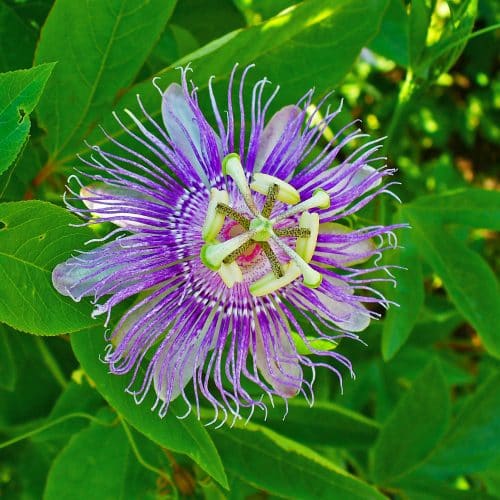
GABA is the nervous system's main calming, or inhibitory, messenger — it turns the volume down on over-excited signalling. Some of ashwagandha's active compounds show activity linked to the GABA pathway, which fits its traditional use for relaxation and rest. This is the same calming pathway we explore in our guide to passion flower for nerve health, and it is why the two herbs are often mentioned together.
Ashwagandha's withanolides also show antioxidant activity, adding a layer of general cellular support of the kind nerve tissue benefits from. Taken together, these threads are why ashwagandha is discussed as general support for calm and a healthy nervous system — not as a treatment or cure for any condition. That honest, structural framing is the same one we apply across our ingredient guides.
The active compounds in ashwagandha are called withanolides, and they are the key to comparing products. A quality extract will be standardised to a specific percentage of withanolides, which tells you how concentrated it is — often far more informative than the raw weight of herb powder. You will also meet two famous branded extracts, and knowing the difference helps you shop. The NIH National Center for Complementary and Integrative Health summarises what is and is not known about the herb on its ashwagandha page.
| Extract | Plant part | Typically used for |
|---|---|---|
| KSM-66 | Root only | General daytime use; lower withanolide %, often larger doses |
| Sensoril | Root and leaf | Calm and wind-down; higher withanolide %, often smaller doses |
| Generic standardised extract | Usually root | Varies — check the stated withanolide percentage |
The practical takeaway: read the withanolide percentage, not just the milligrams, and note whether the extract is root-only or root-and-leaf, since traditional Ayurvedic use centres on the root. Neither branded extract is universally “best” — they simply suit different goals and doses. For a broader framework you can apply to any product, see our walkthrough on how to read a nerve supplement label.
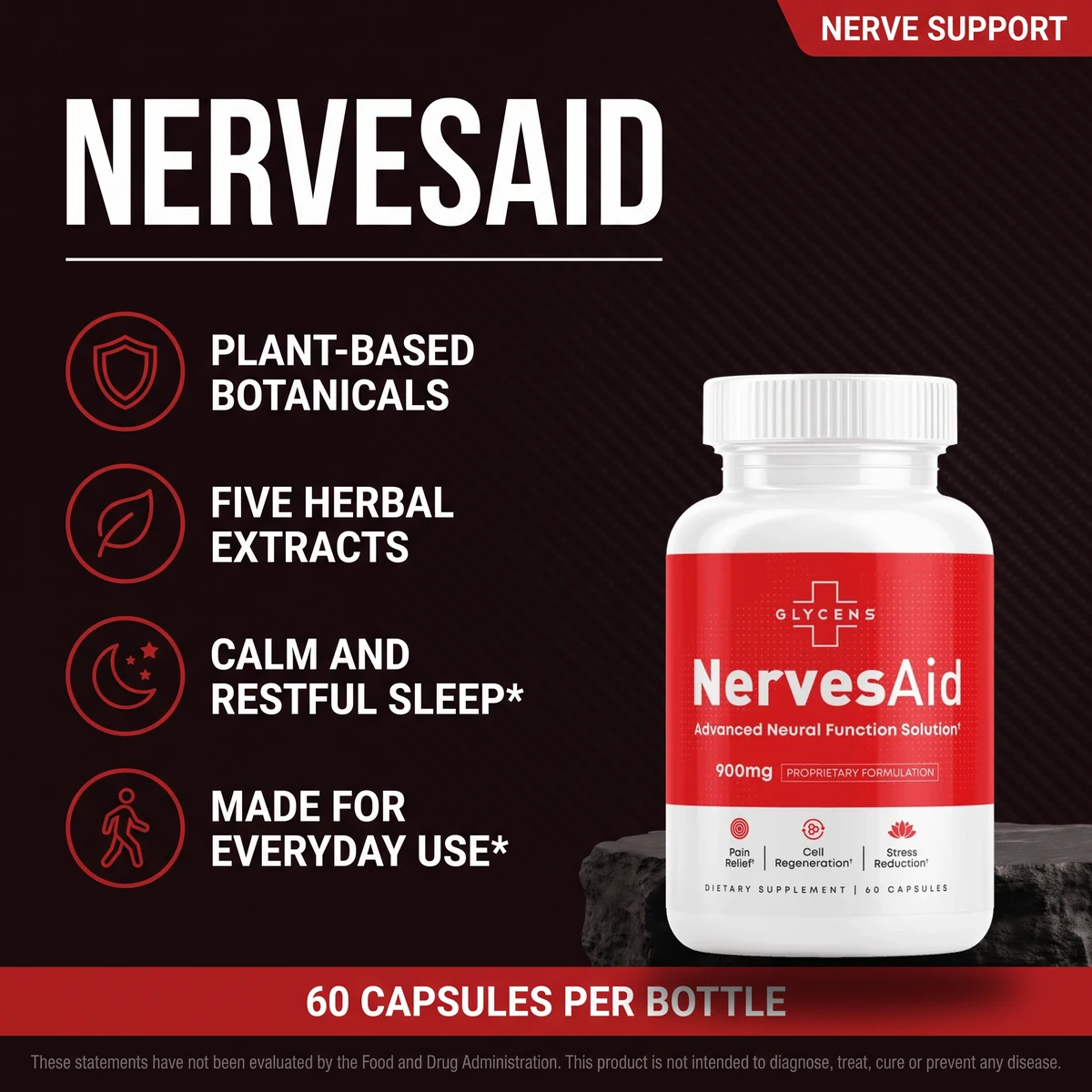
Calm support is rarely about one hero herb. Just as ashwagandha helps moderate the stress response, other calming botanicals work through the GABA pathway and traditional relaxation, which is why blends pair several rather than betting on one. The NervesAid formula takes that botanical route with calming plants, and you can compare two of them in our guide to corydalis vs California poppy. Many people think of an adaptogen like ashwagandha and a calming plant blend as complementary parts of one evening routine.
NervesAid™ brings five plant-based botanicals into one easy, once-a-day capsule — a simple step to sit alongside a nutrient-smart diet, backed by a 60-day money-back guarantee.
See NervesAid Packages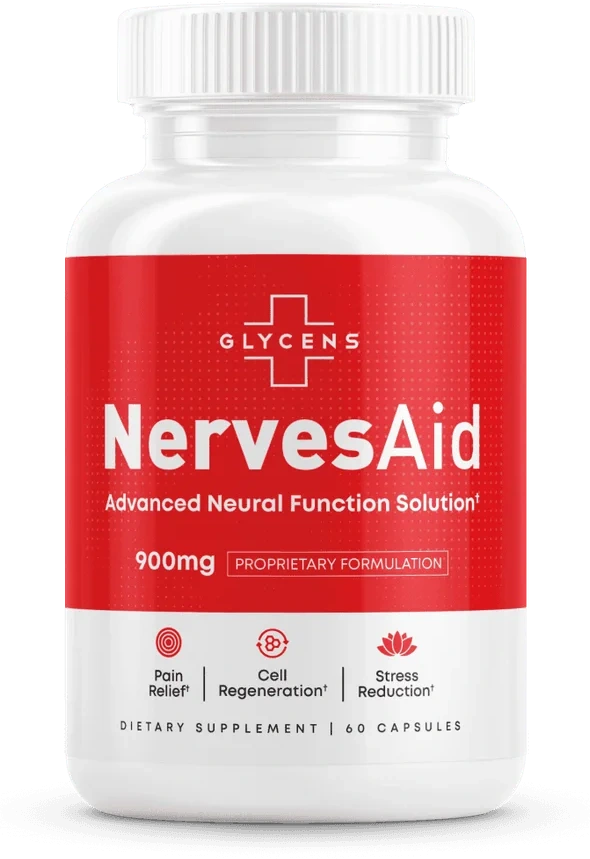
Because withanolide content varies so much between products, the milligrams alone do not tell the whole story. That said, standardised extracts are commonly taken at around 300 to 600 mg per day, sometimes split into two doses, while smaller amounts of more concentrated extracts are also used. As with any botanical, more is not automatically better, and adaptogens are usually taken consistently over weeks rather than as a one-off. The most reliable approach is to read the label, note the standardisation, start conservatively, and talk with a physician about the right amount for you.
Ashwagandha is flexible about timing, and the right choice follows your goal. Taken in the morning, it is used for daytime steadiness under stress; taken in the evening, it leans into its traditional association with rest and winding down — a nod to that somnifera name. Many people take it with food to keep it gentle on the stomach, and because it is not a stimulant, it does not carry the jittery edge some other stress supplements do. There is no meaningful dietary source of ashwagandha — it is a medicinal herb rather than a food — so an extract is how most people take it.
None of this replaces the basics. Calm and a healthy stress response rest first on a foundation of sleep, movement, daylight and connection — the same everyday habits we lay out in our overview of how to support nerve health naturally. Think of ashwagandha as one supportive tool in that wider kit, not a shortcut around it.
For most healthy adults, ashwagandha is well tolerated, with only mild and infrequent effects such as digestive upset or drowsiness reported. A few important cautions apply, however. Because it may influence thyroid hormone activity, people with thyroid conditions should be careful; because it may stimulate the immune system, those with autoimmune conditions should seek advice; it may add to the effect of sedatives; and it is traditionally avoided in pregnancy. As always, if you are pregnant, nursing, under 18, managing a health condition or taking any medication, get personalised medical advice before starting. Supplements support a healthy lifestyle; they do not replace medical care. Fatima and colleagues reviewed the safety signals alongside the efficacy data in Human Psychopharmacology, 2024 (PubMed 39083548), and reports of liver injury are the reason to treat this herb with more care than its reputation suggests.
A routine only helps if you keep it going. The multi-bottle NervesAid™ packs keep your daily botanical step consistent — at the best per-bottle value, with free shipping on larger orders.
Order NervesAid Multi-Packs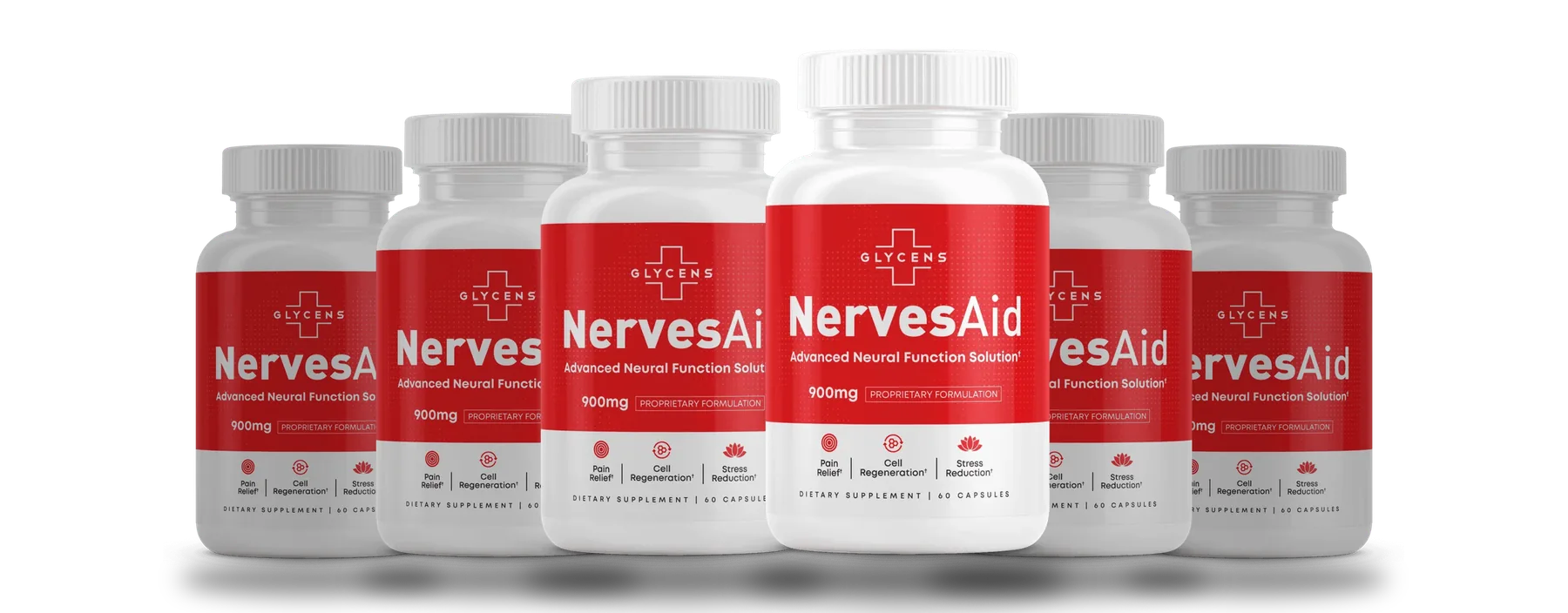
Ashwagandha is an adaptogen, a class of herbs traditionally used to help the body cope with everyday stress. It is thought to support a healthy, balanced stress response, in part by helping to moderate cortisol, the body's main stress hormone, and it has activity linked to the calming GABA pathway. Because a calm, well-regulated nervous system underlies everyday comfort, ashwagandha is discussed as general support for calm rather than as a treatment for any condition.
Withanolides are the naturally occurring active compounds in ashwagandha that are believed to drive most of its effects. Quality extracts are standardised to a specific percentage of withanolides so you know how concentrated the product is. When comparing supplements, the withanolide standardisation is often more informative than the raw milligram weight of the herb.
Both are well-known branded, standardised ashwagandha extracts. KSM-66 is a root-only extract with a lower withanolide percentage and is popular for general daytime use. Sensoril is drawn from root and leaf with a higher withanolide percentage and is often used at smaller doses and associated with calm. Neither is universally better; the right choice depends on your goal and the dose on the label.
Standardised extracts are commonly taken at around 300 to 600 mg per day, sometimes split into two doses, though smaller doses of more concentrated extracts are also used. Because products differ in withanolide content, the milligrams alone do not tell the whole story. Read the label, note the standardisation, and talk with a physician before starting.
Both are common, and it depends on your goal. Taken in the morning it is often used for daytime resilience to stress; taken in the evening it is used to support winding down and restful sleep. Many people take it with food to be gentle on the stomach. Follow the label and adjust to what works for you.
† These statements have not been evaluated by the Food and Drug Administration. This product is not intended to diagnose, treat, cure or prevent any disease. This article is for general information only and is not medical advice.