
| What it is | A fat-soluble vitamin that behaves like a hormone; your skin makes it from sunlight. |
| Why nerves | Vitamin D receptors sit throughout the nervous system; it supports calcium signalling and neurotrophic factors. |
| D2 vs D3 | D3 (cholecalciferol) raises blood levels more effectively than D2 — check the label. |
| How much | Often 1,000–2,000 IU/day; routine upper limit ~4,000 IU. A blood test personalises it. |

Vitamin D for nerve health is a topic that surprises people, because most of us learned about vitamin D only in the context of bones. Yet vitamin D behaves less like an ordinary vitamin and more like a hormone, and its receptors turn up all over the nervous system. Add to that how common a vitamin D shortfall is — thanks to indoor life, sunscreen and northern winters — and it becomes one of the most worthwhile nutrients to understand. This guide explains how vitamin D works in the body, its links to healthy nerves, the difference between D2 and D3, how much people typically take, and exactly what to check on a label.
Vitamin D is a fat-soluble nutrient that is unusual in two ways. First, your body can make it: when UVB rays from sunlight strike the skin, they trigger the production of vitamin D3 (cholecalciferol). Second, it acts like a hormone rather than a classic vitamin. What you make in the skin or get from food is not yet active; the liver converts it to a storage form called 25-hydroxyvitamin D, or 25(OH)D — the very thing measured in a blood test — and the kidneys then convert that into the active hormone, calcitriol, which switches genes on and off in cells all over the body. Harms and colleagues describe how the vitamin reaches and acts in nervous tissue in “Vitamin D and the brain,” Best Practice & Research Clinical Endocrinology & Metabolism, 2011 (PubMed 21872806).
Because it is fat-soluble, vitamin D is stored in body fat and the liver, so levels build up and draw down slowly over weeks. That storage is why it does not need to be taken at a precise time of day, but also why megadosing without testing is a genuine risk — it does not simply wash out the way water-soluble vitamins do.
The nerve connection rests on several strands of biology. The most striking is that vitamin D receptors (VDR) and the enzymes that activate vitamin D are found throughout the brain and nervous system — the body would not put them there if vitamin D had no business in nerve tissue. From there, three roles stand out. Groves and colleagues set out the case for treating it as a neurosteroid rather than a bone nutrient in Annual Review of Nutrition, 2014 (PubMed 25033060).
Nerves communicate using precisely timed movements of ions, and calcium is central to that signalling. Vitamin D is the body's master regulator of calcium, helping keep calcium balanced in the blood and inside cells. Well-managed calcium is part of the backdrop against which nerves fire cleanly.
Vitamin D is involved in the expression of neurotrophic factors — signalling proteins such as nerve growth factor that help nerve cells survive and maintain themselves. This is one reason researchers keep returning to vitamin D when they study the nervous system.
Vitamin D also helps regulate the body's normal, balanced inflammatory response, a general housekeeping role that nerve tissue benefits from like the rest of the body. Taken together, these roles explain why vitamin D appears so often in conversations about healthy nerves — as general, structural support, not a treatment or cure for any condition. The neurotrophic angle rhymes with the science we cover in our guide to omega-3 for nerve health, another fat-soluble nutrient with a structural role in nerve tissue.
When you shop, you will meet two forms, and the difference is worth a moment. The comparison between the two forms, along with intake recommendations and the upper limit, is set out in the NIH Office of Dietary Supplements vitamin D fact sheet for health professionals.
| Form | Source | Notes |
|---|---|---|
| Vitamin D3 (cholecalciferol) | Made in skin from sun; animal foods; lichen (vegan D3) | Generally raises and maintains blood levels more effectively |
| Vitamin D2 (ergocalciferol) | Plant and fungal sources; some prescriptions | Works, but often considered less potent at maintaining levels |
The practical takeaway: most modern supplements use D3 because the evidence suggests it is more effective at raising and holding blood levels, and vegan D3 sourced from lichen is now widely available for those who avoid animal products. You will also see the dose written two ways — international units (IU) and micrograms (mcg), where 1,000 IU equals 25 mcg — so knowing that conversion helps you compare products. For a broader framework, see our walkthrough on how to read a nerve supplement label.

Nerve support is rarely about one nutrient working alone. Vitamin D helps set the stage through calcium and neurotrophic signalling, minerals help nerves fire cleanly, and calming botanicals cover the relaxation side. That is why many people treat a well-chosen vitamin D and a plant-based routine as complementary parts of one plan. The NervesAid blend takes the botanical route, and a fat-soluble vitamin can sit comfortably alongside it. For the mineral side of nerve signalling, see our guide to how B vitamins support nerve function.
NervesAid™ brings five plant-based botanicals into one easy, once-a-day capsule — a simple step to sit alongside a nutrient-smart diet, backed by a 60-day money-back guarantee.
See NervesAid Packages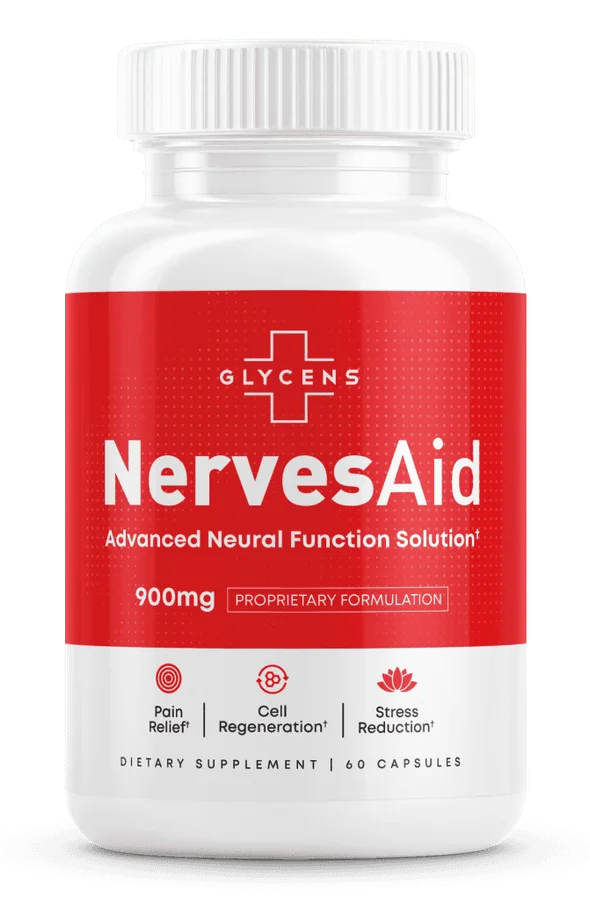
General recommendations for adults sit around 600 to 800 IU per day, but because shortfall is so common, many everyday supplements provide 1,000 to 2,000 IU, and some more. The important safety number is the upper level: for routine use without medical supervision, guidance generally caps intake at 4,000 IU per day. Higher therapeutic doses exist but belong under a physician's care. Because vitamin D is stored, the single best way to personalise your dose is a simple 25(OH)D blood test, which turns guesswork into a number.
Sunlight is the original source: UVB rays prompt your skin to make vitamin D3. But that production is throttled by season, latitude, time of day, skin tone, sunscreen and simply staying indoors — which is why so many people run low, especially in winter. Food helps but rarely fills the gap alone. The richest food sources are fatty fish such as salmon, mackerel and sardines, with smaller amounts in egg yolks, liver and some mushrooms, plus fortified foods like milk, plant milks and cereals. For many people, the honest picture is that sun plus diet leaves a shortfall, which is exactly why supplementation is so common.
None of this replaces the basics. Nutrient support works best on a foundation of a varied diet, daylight, movement and rest — the same everyday habits we lay out in our overview of how to support nerve health naturally. Think of vitamin D as one measurable tool in that wider kit, not a shortcut around it.
For most people, vitamin D at everyday supplement amounts is safe and well tolerated. The key caution is unique to fat-soluble vitamins: because it is stored rather than flushed, excessive intake over time can push blood calcium too high, so more is emphatically not better. This is why the 4,000 IU routine ceiling exists and why testing beats guessing. Vitamin D can also interact with certain medications. As always, if you are pregnant, nursing, under 18, managing a health condition or taking any medication, get personalised medical advice before starting. Supplements support a healthy lifestyle; they do not replace medical care.
A routine only helps if you keep it going. The multi-bottle NervesAid™ packs keep your daily botanical step consistent — at the best per-bottle value, with free shipping on larger orders.
Order NervesAid Multi-Packs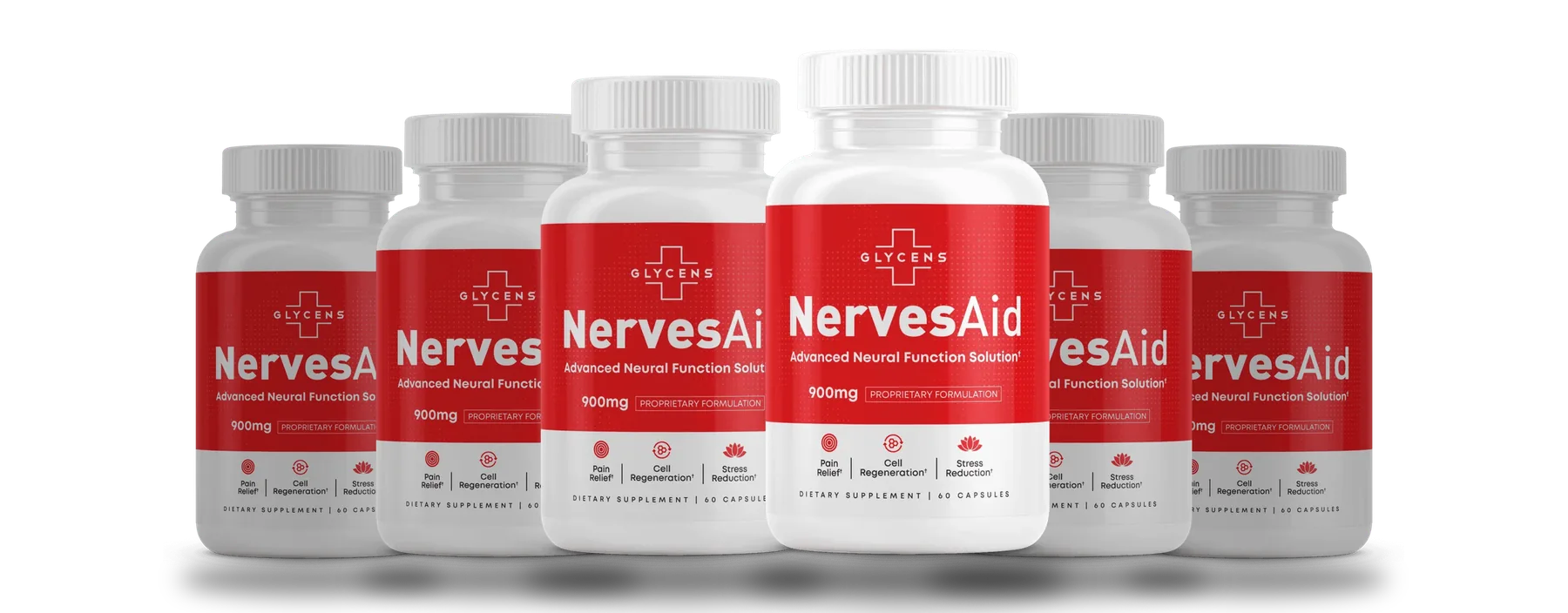
Vitamin D acts more like a hormone than a simple vitamin. Receptors for it are found throughout the nervous system, and it is involved in calcium signalling, which nerves use to send messages, and in the expression of neurotrophic factors that support nerve cells. It also helps regulate the body's normal inflammatory balance. Together these roles are why vitamin D is discussed in the context of healthy nerves, as general structural support rather than a treatment.
Vitamin D2 (ergocalciferol) comes mainly from plant and fungal sources, while vitamin D3 (cholecalciferol) is the form your skin makes from sunlight and is found in animal foods. Both raise blood levels of vitamin D, but D3 is generally considered more effective at raising and maintaining those levels, which is why most supplements today use D3. Check the label to see which form you are buying.
General recommendations for adults are around 600 to 800 IU per day, though many supplements provide 1,000 to 2,000 IU, and some more. Because vitamin D is fat-soluble and stored in the body, the safe upper level for routine use without medical supervision is generally set at 4,000 IU per day. The best way to personalise your dose is a simple blood test and a conversation with a physician.
Yes, ideally. Vitamin D is fat-soluble, so taking it with a meal that contains some fat improves absorption. Many supplements are already suspended in an oil to help with this. Timing during the day matters less than taking it consistently with food.
Sometimes, but not always. Your skin makes vitamin D from UVB sunlight, yet season, latitude, skin tone, sunscreen and time indoors all reduce how much you produce. Food sources such as fatty fish, egg yolks and fortified products help but rarely cover the gap alone. This combination is why vitamin D shortfall is common and why many people supplement, ideally guided by a blood test.
† These statements have not been evaluated by the Food and Drug Administration. This product is not intended to diagnose, treat, cure or prevent any disease. This article is for general information only and is not medical advice.